Waking Life
Solo Exhibition, Parsons School of Design, Paris
I spent much of my childhood wandering the back streets of my neighbourhood, imagining the lives unfolding behind fences, windows and closed doors. I was always dreaming of being somewhere elsewhere - other places, other lives, other versions of myself.
Finishing high school, I left home to study archaeology, drawn to the fragments of stories embedded in material traces of all that we leave behind. Narrative and sense making was present for me even before I truly let it be: piecing things together, making meaning from the visible and invisible marks of human and more-than-human experience. What I did not yet understand was that I was also searching for a way to make sense of my own story, belonging and place in the world in which I live…
My early twenties were a time of confusion, crisis, uncertainty and experimentation. Serendipitously, picking up a camera sparked a life-long and life-saving journey of self-discovery as I set about re-storying my life. Focusing in what I saw through a viewfinder enabled me to reclaim my identity, personal agency, process and integrate formative traumatic experiences. It was an empowering and life changing process that set me on a new path and underpins my life as an educator, community artist and researcher and therapeutic arts practitioner. While my photography has evolved over time, it remains fundamentally emergent, curious and co-creative. It is shaped by wandering, encounters, people, places, traces and a deep love for adventure.
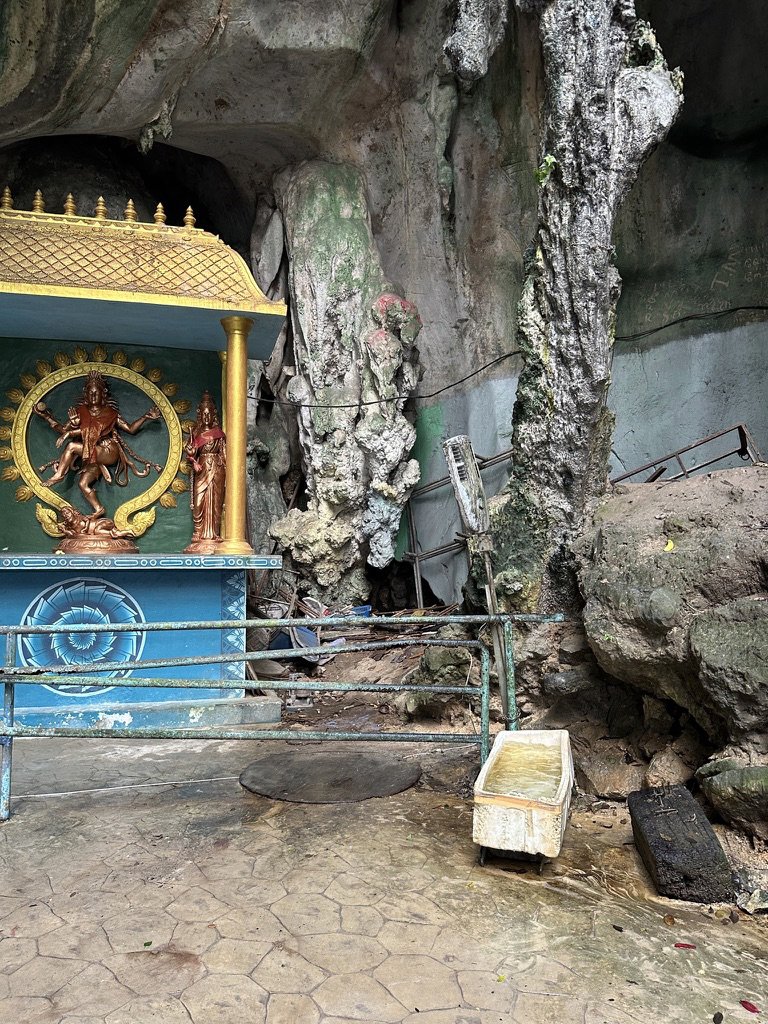
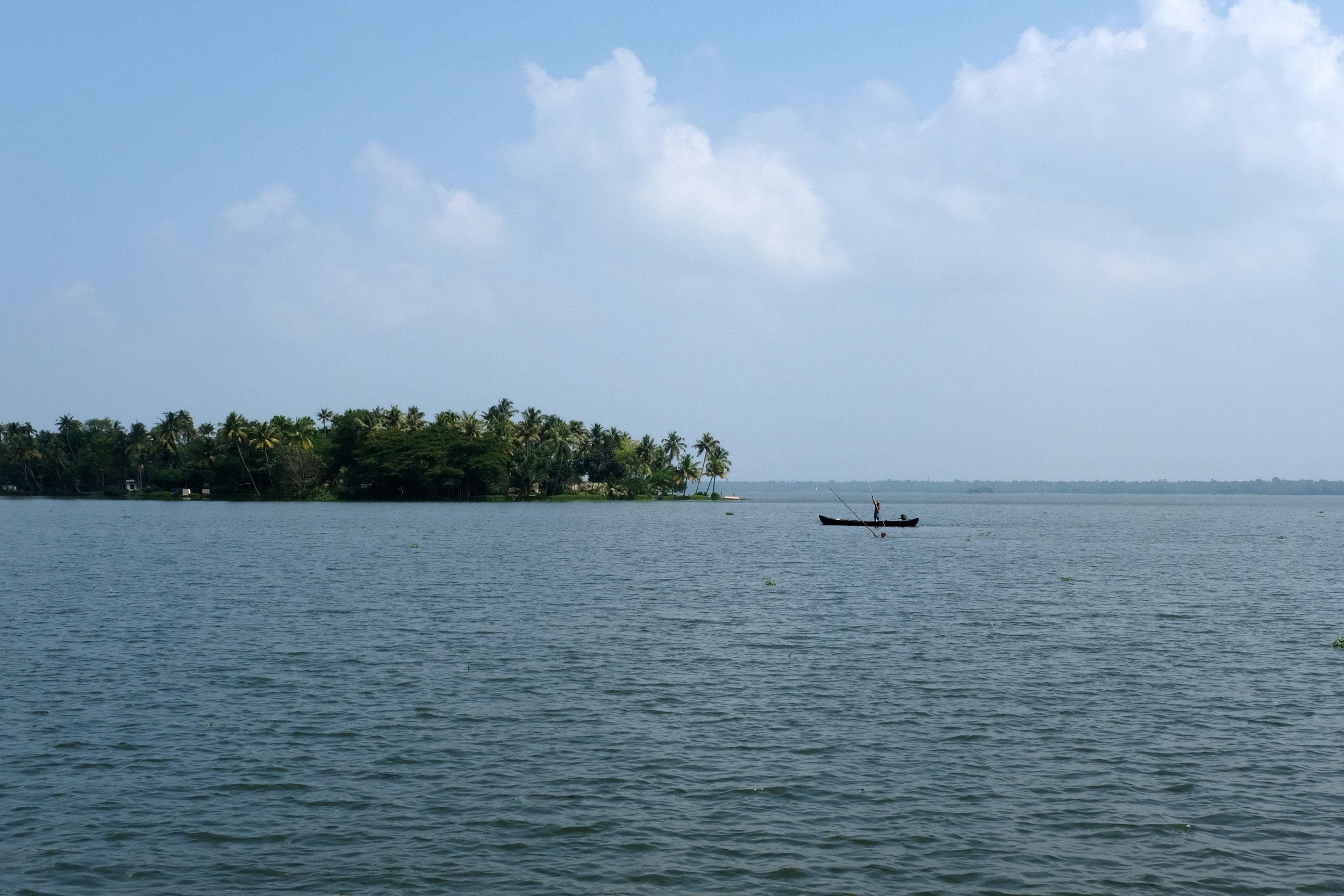
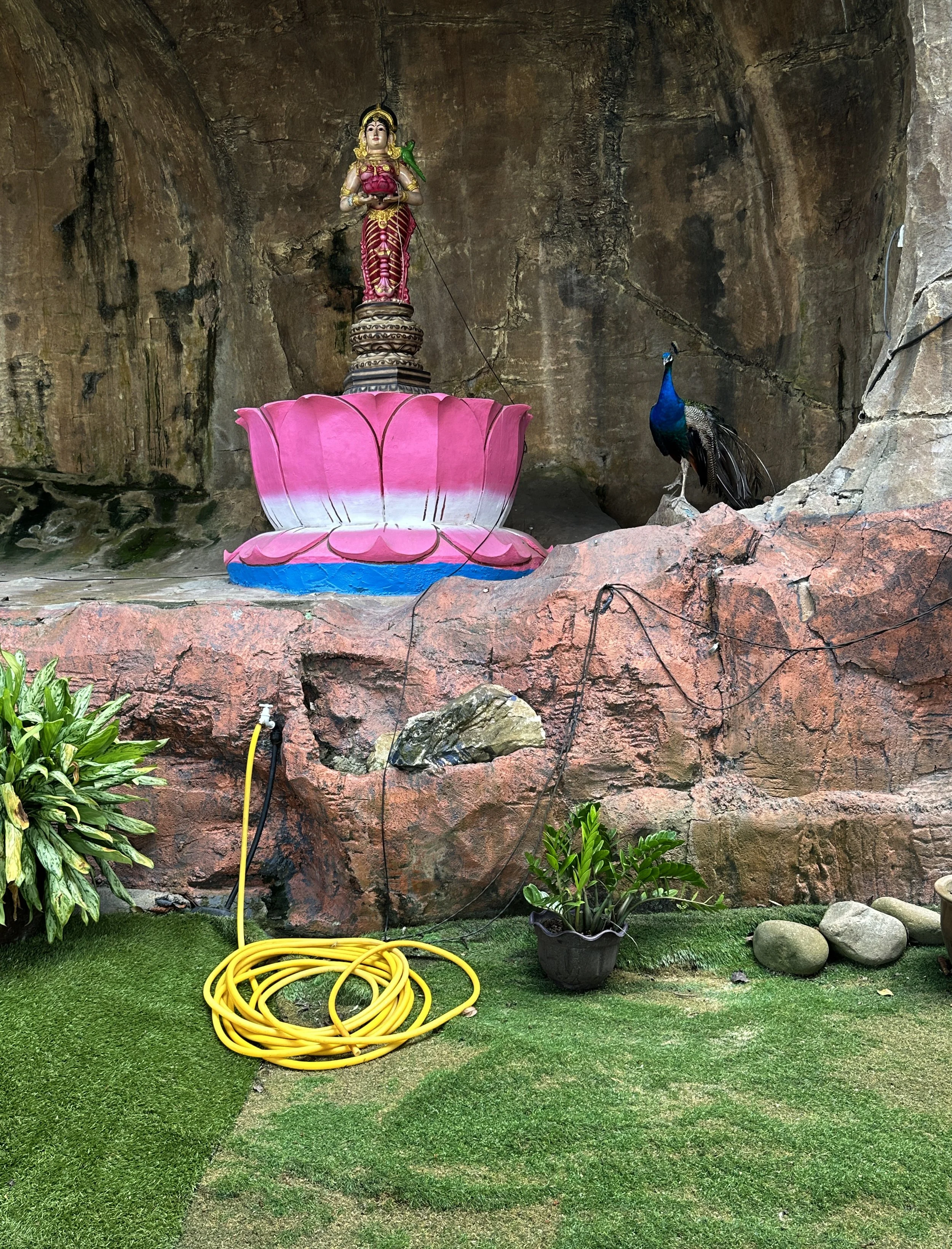
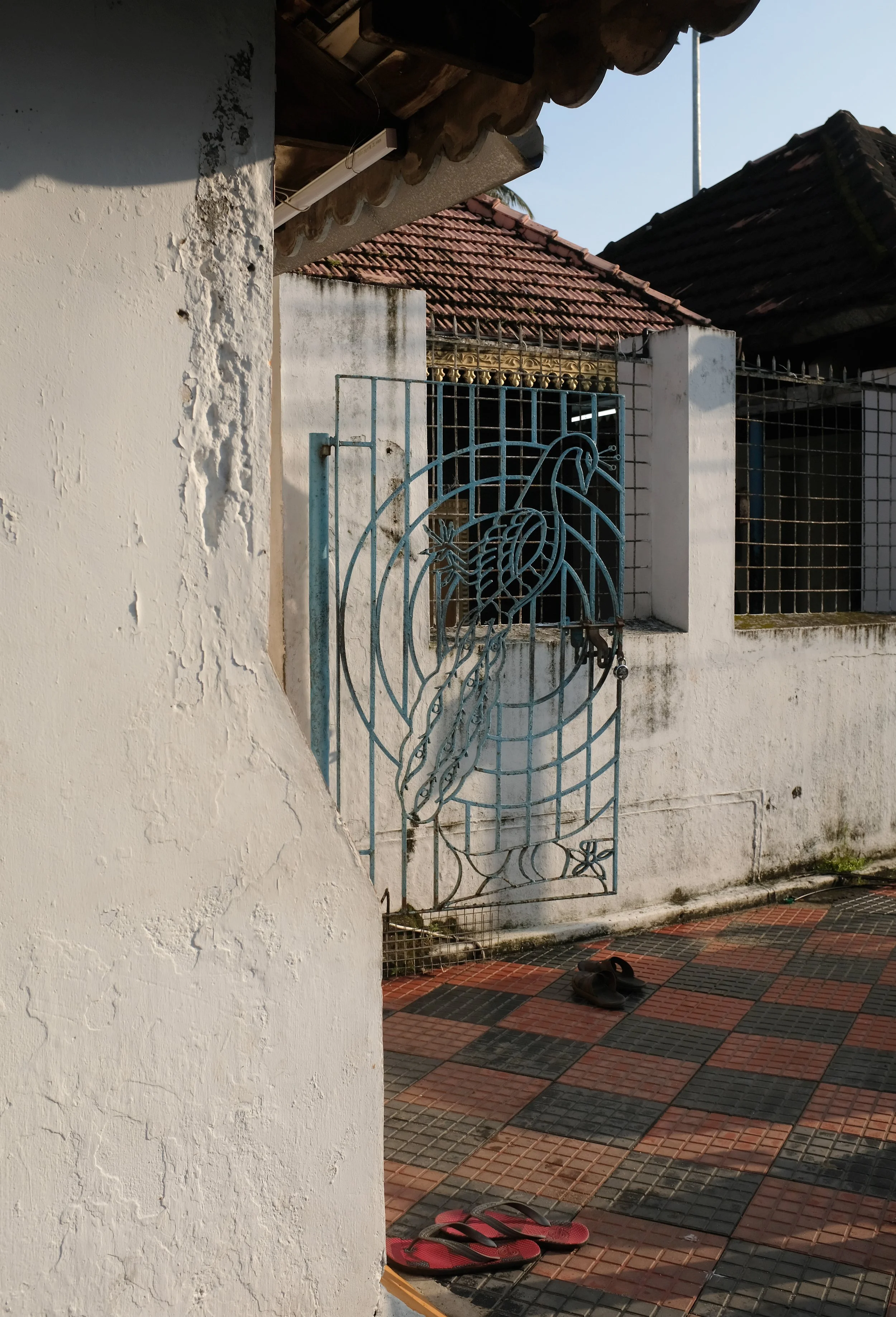
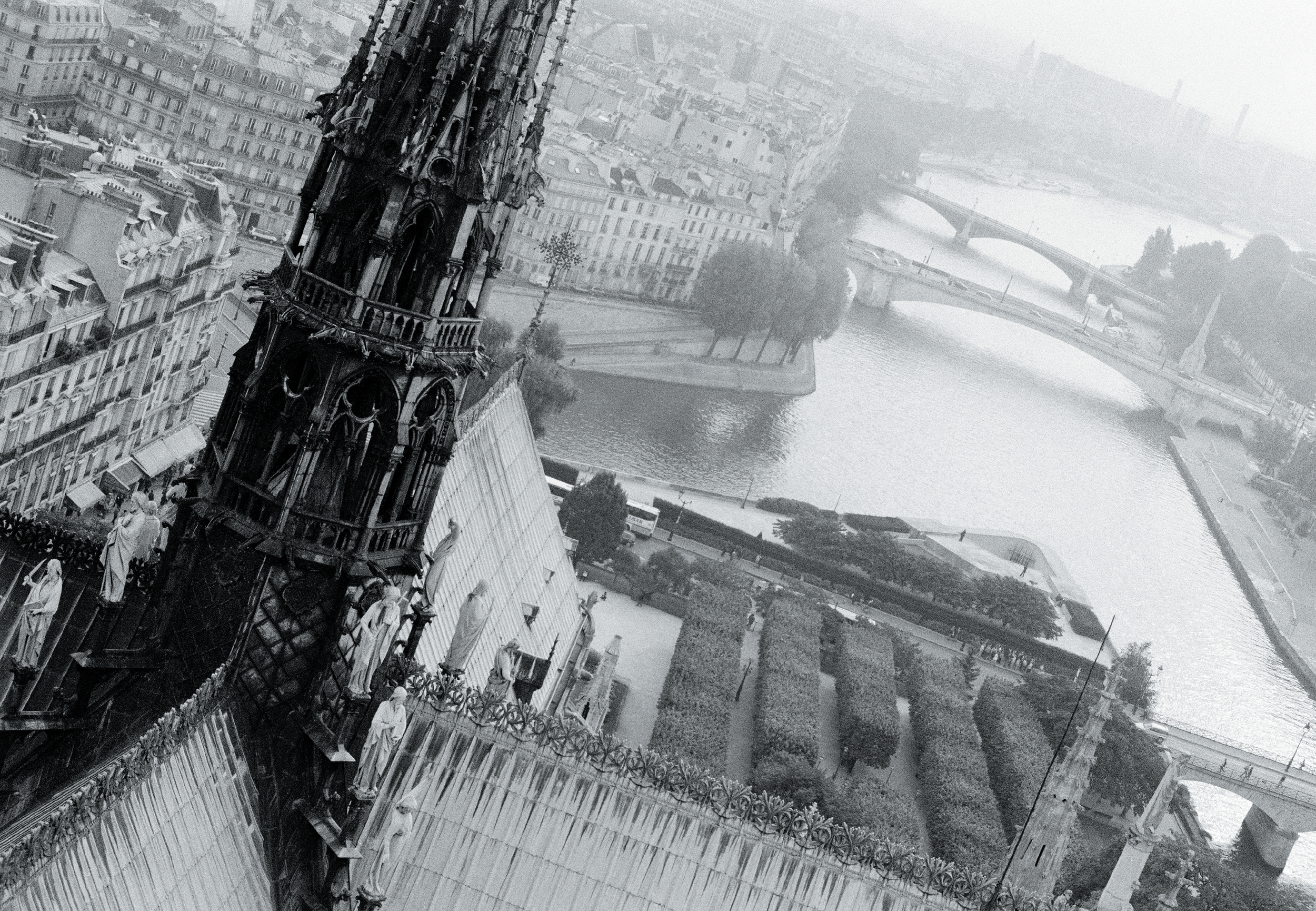
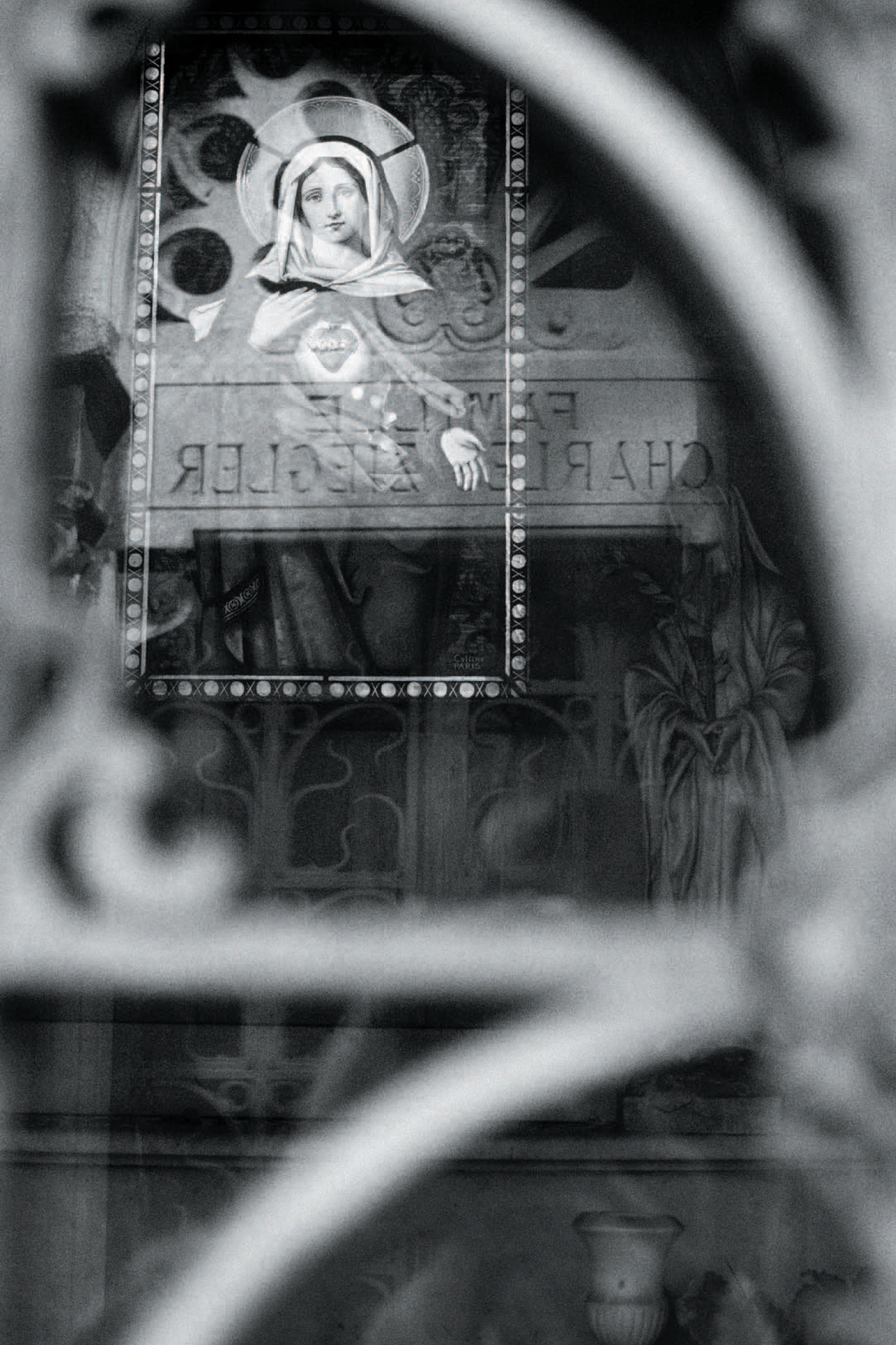
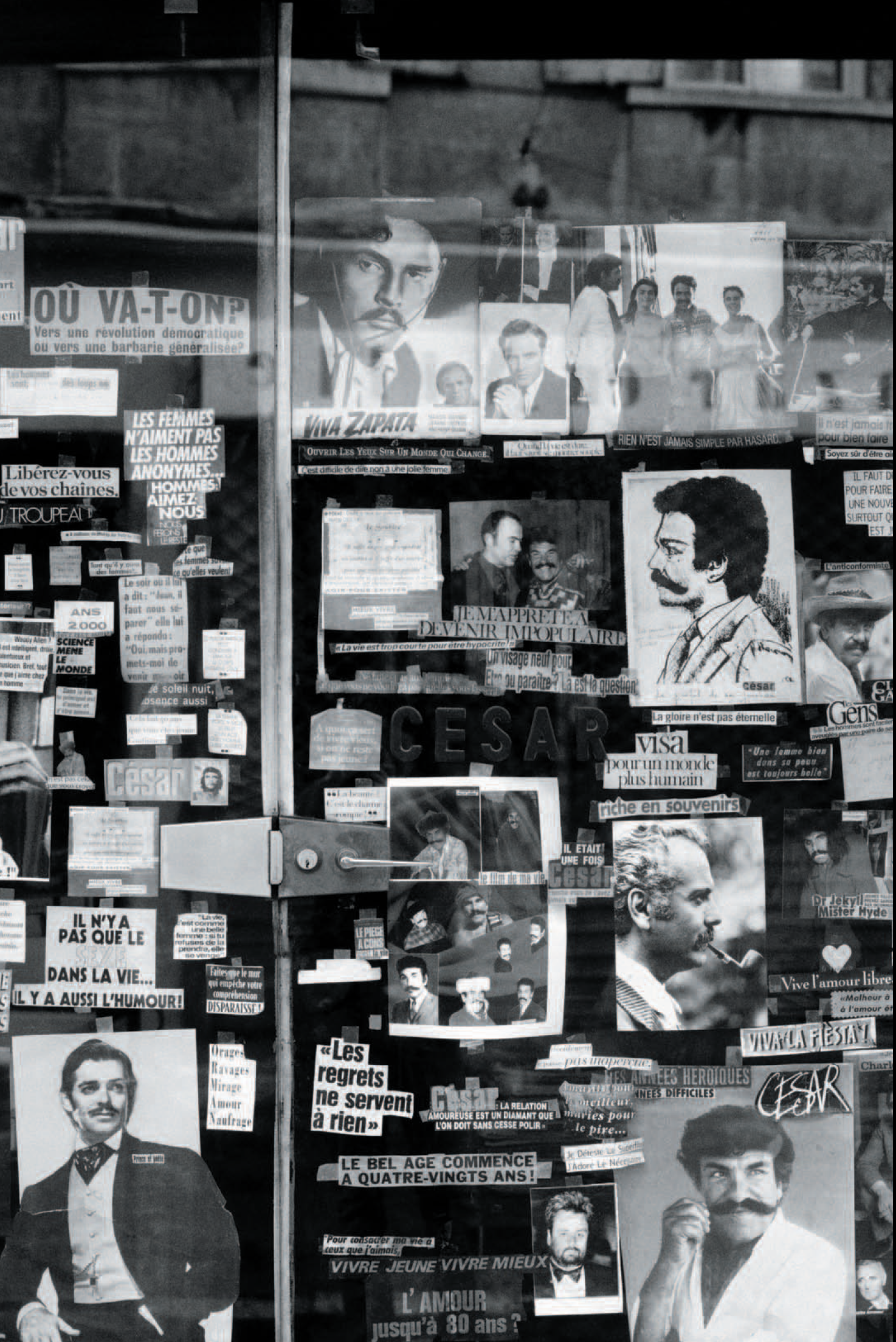
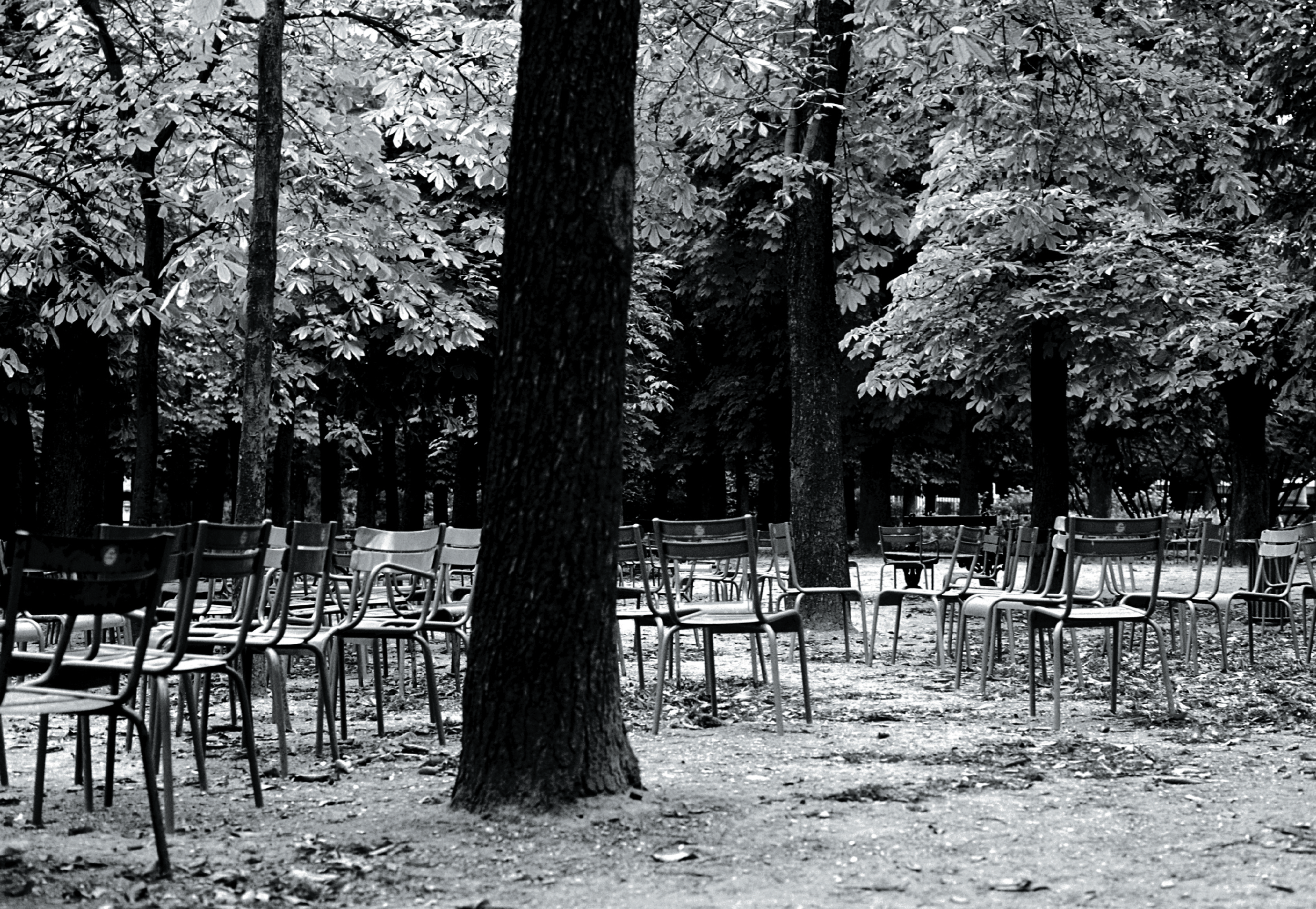
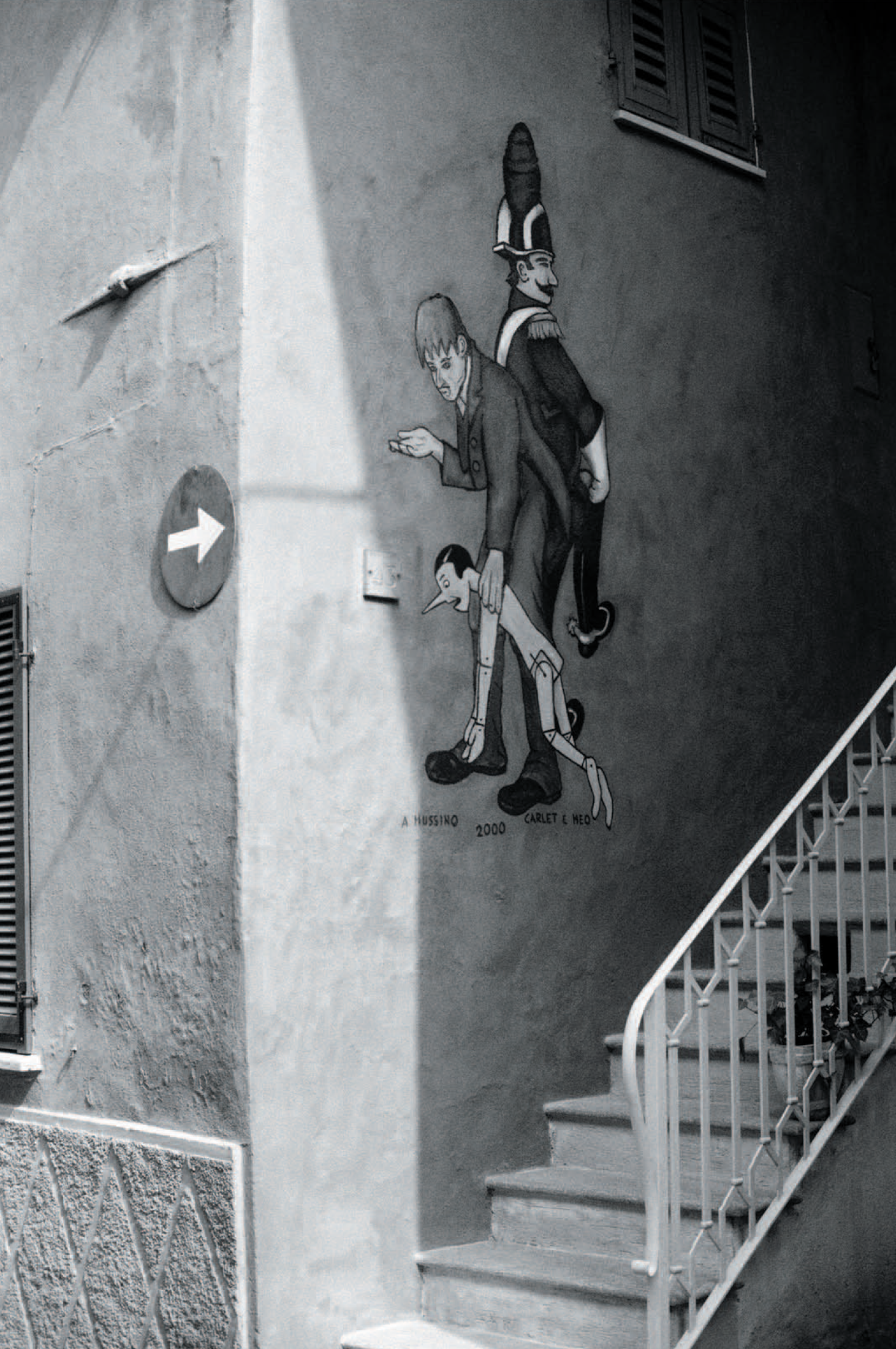
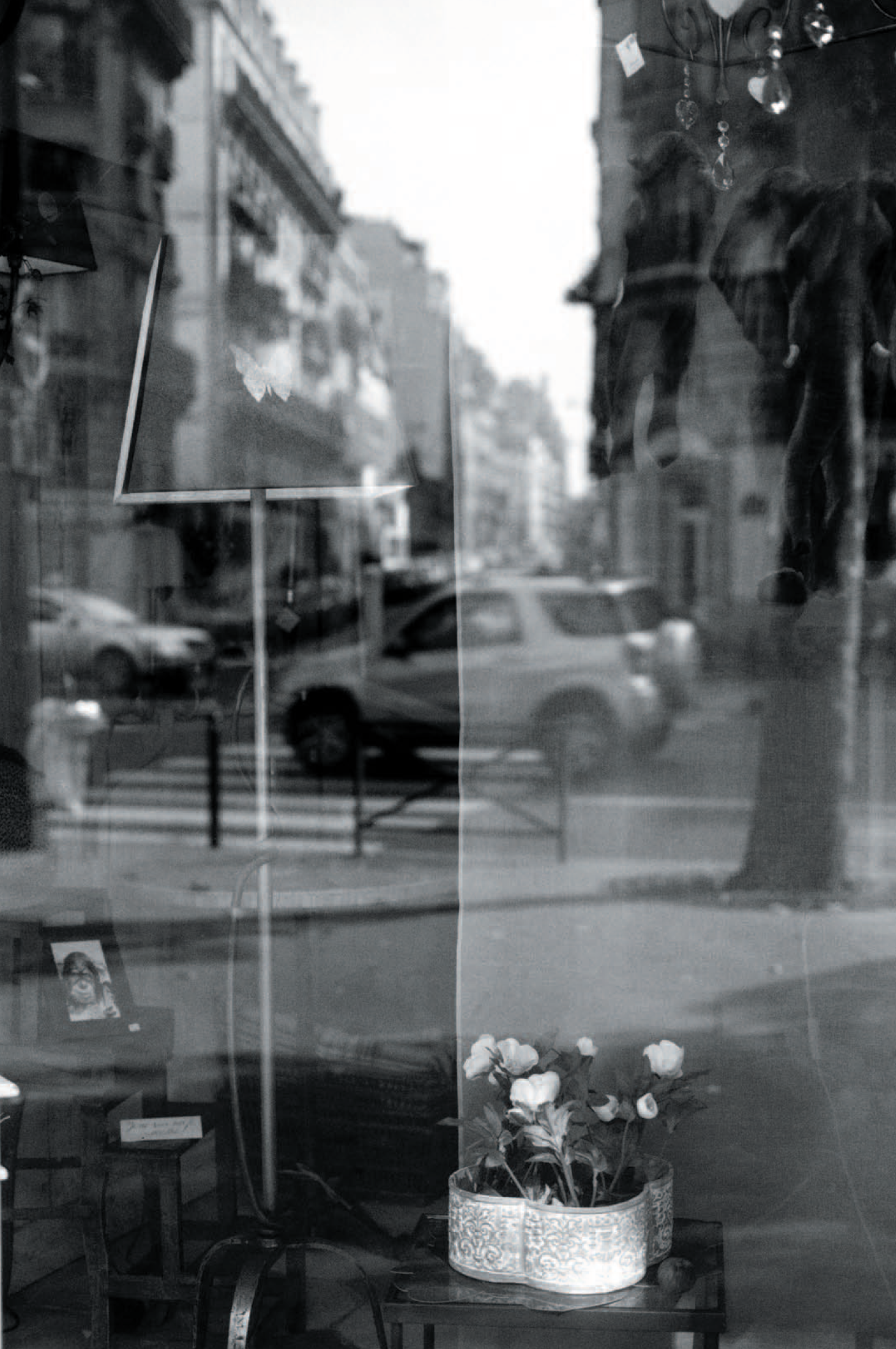
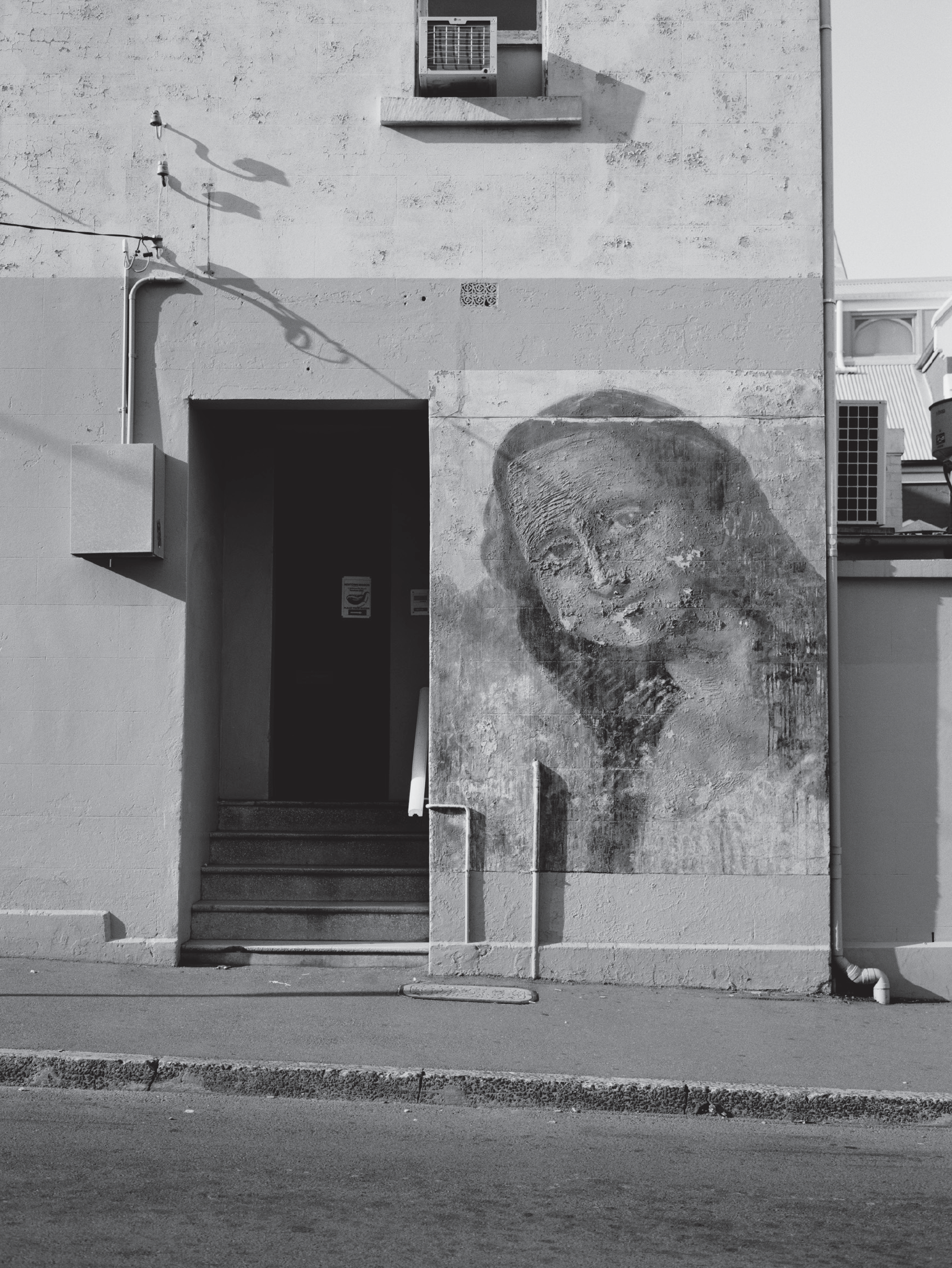
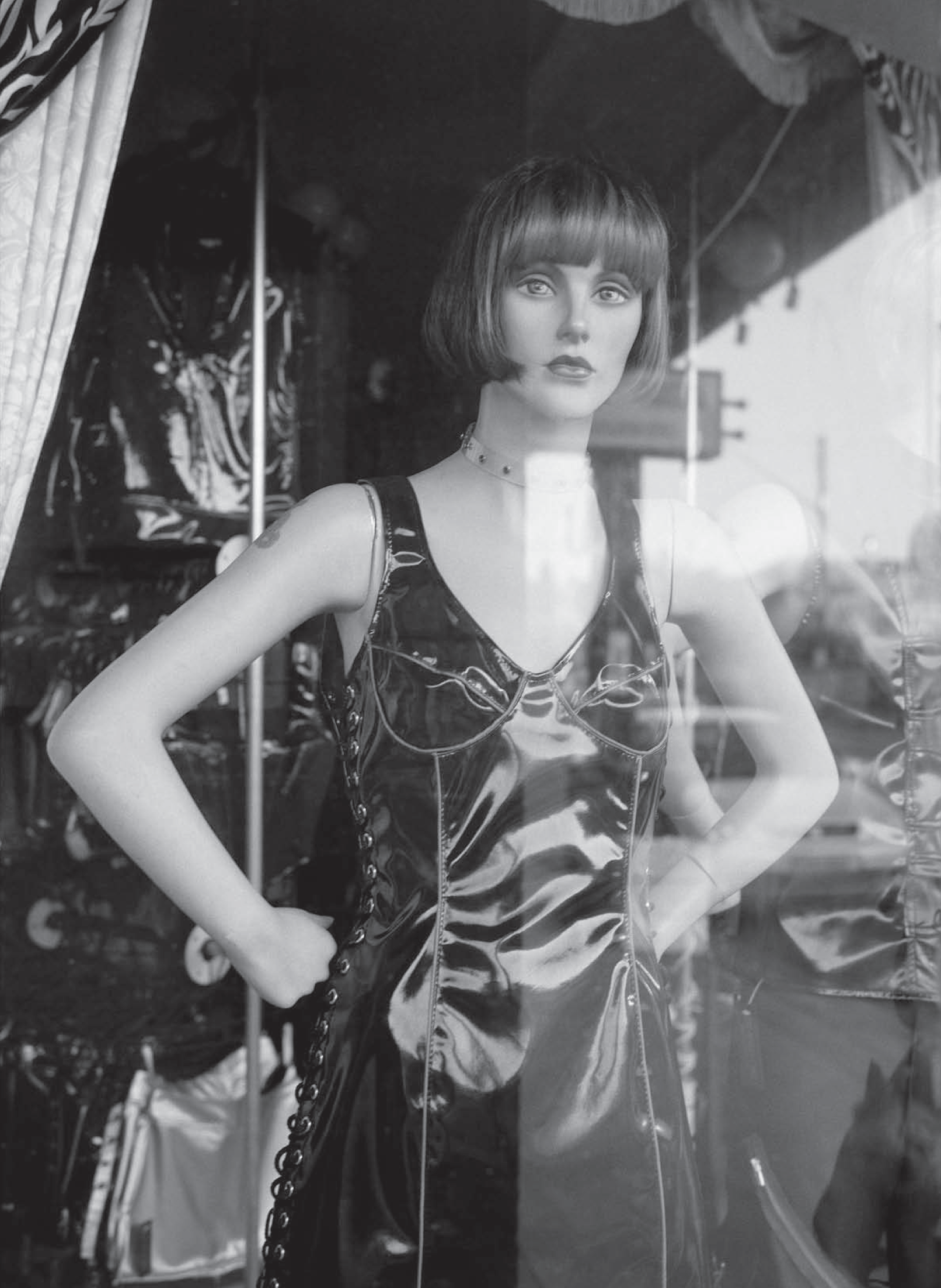
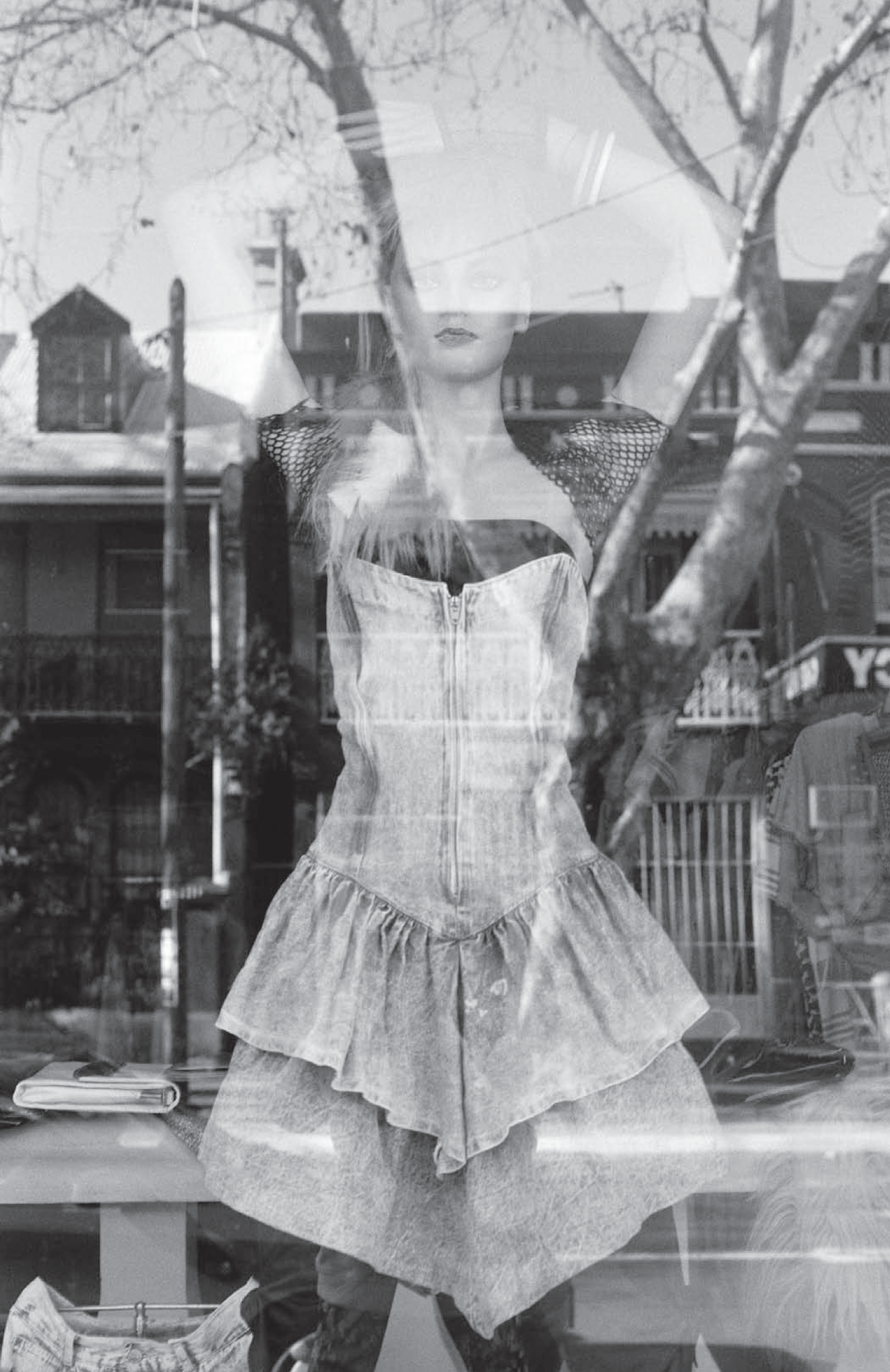
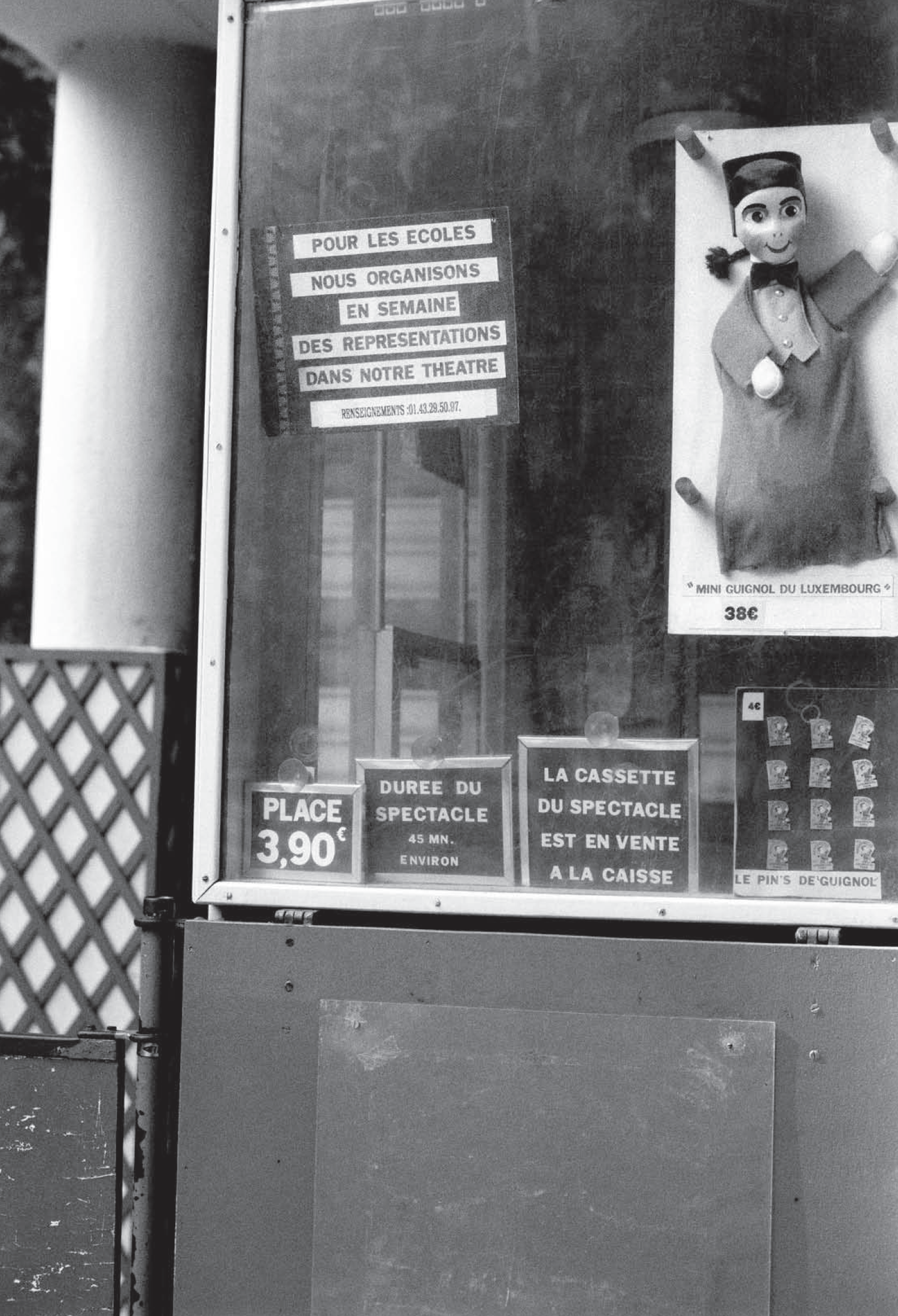
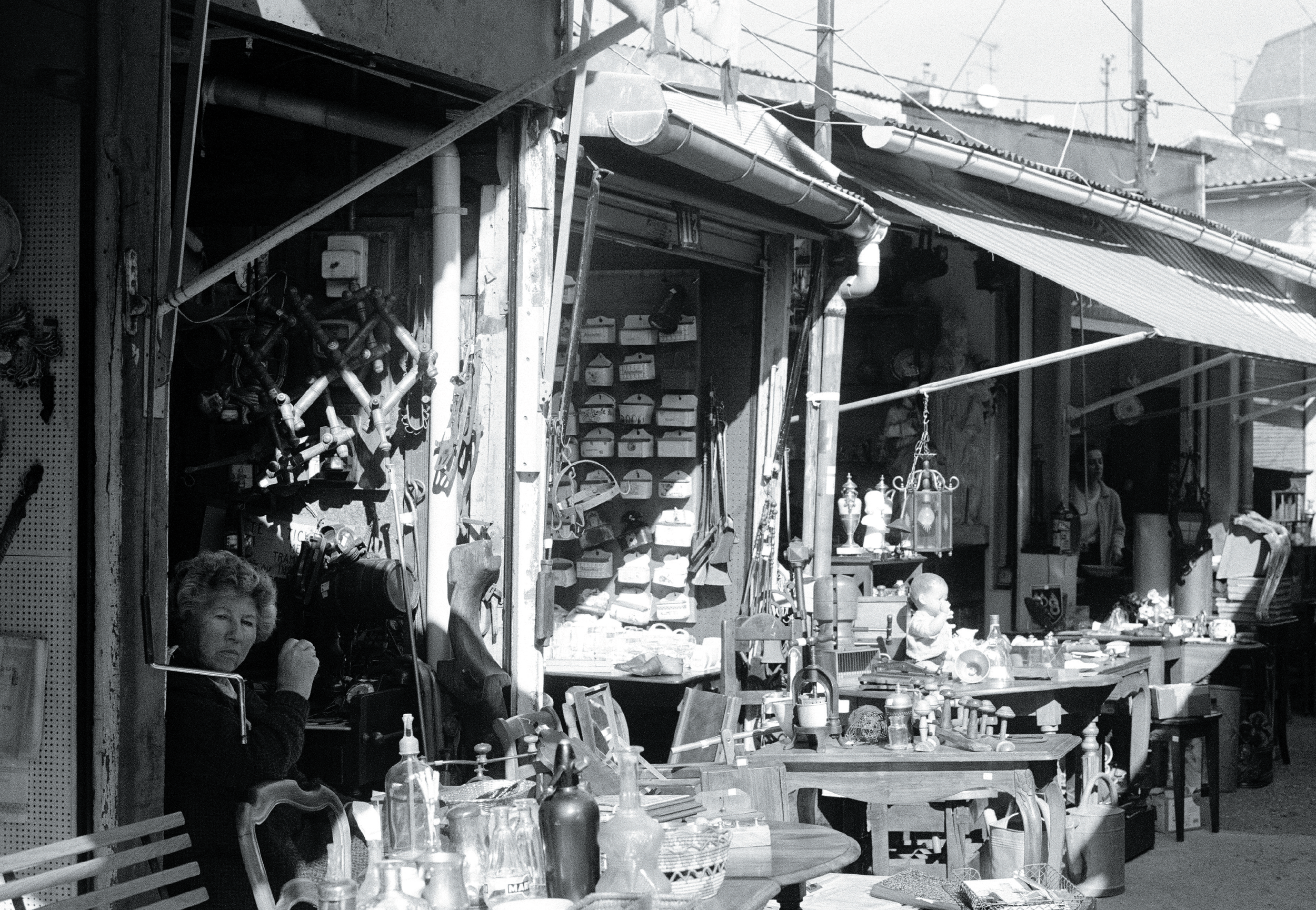
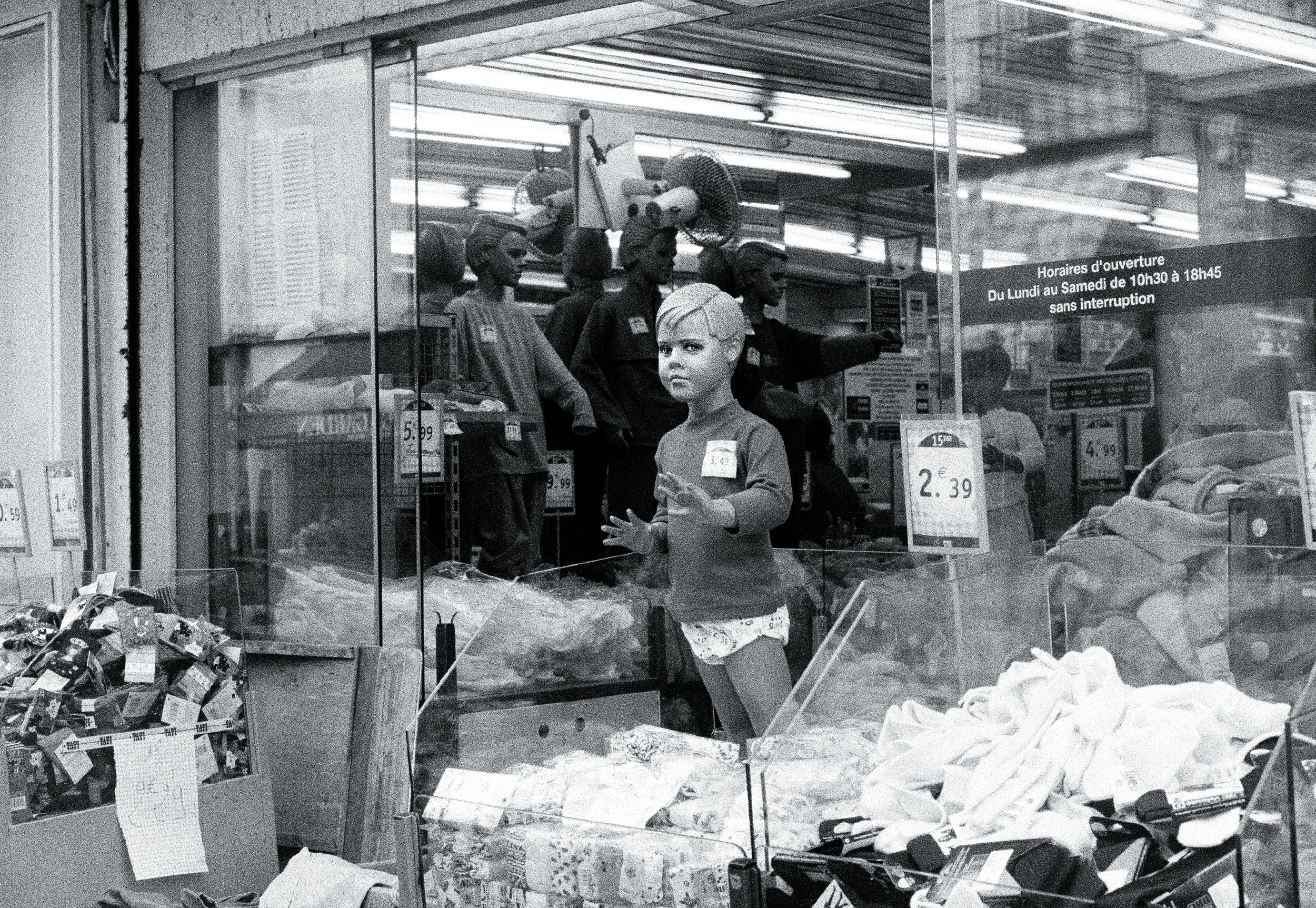
Waking Life stems from the way a city comes to life in the early hours of the morning, when the line between what is real and what is not is somewhat blurred. The way dreams can linger when we wake. In the busyness of our day-to-day lives, we do not always notice these connections. But this does not mean they are not there. However, this doesn’t mean they’re not there. Most of the photographs in this series were taken at dawn - sometimes out of necessity, to escape the onslaught of tourists, and sometimes in search of the strange stillness that arrives before a city fully wakes. I wandered down side streets, through deserted parklands and markets, peering into windows, shopfronts and mausoleums to photograph what revealed itself there.
The photographs are somewhat surreal in nature. Mostly devoid of people the landscape seem to take on a life all their own. If you look closely you may see things are not quite there. I am interested in how humans and non-human entities, materials and traces respond to their environments across time and space, and how places reflect these often fleeting encounters. This is where the magic lives for me. It is also what nourishes my psyche and breathes life into my creative identity.


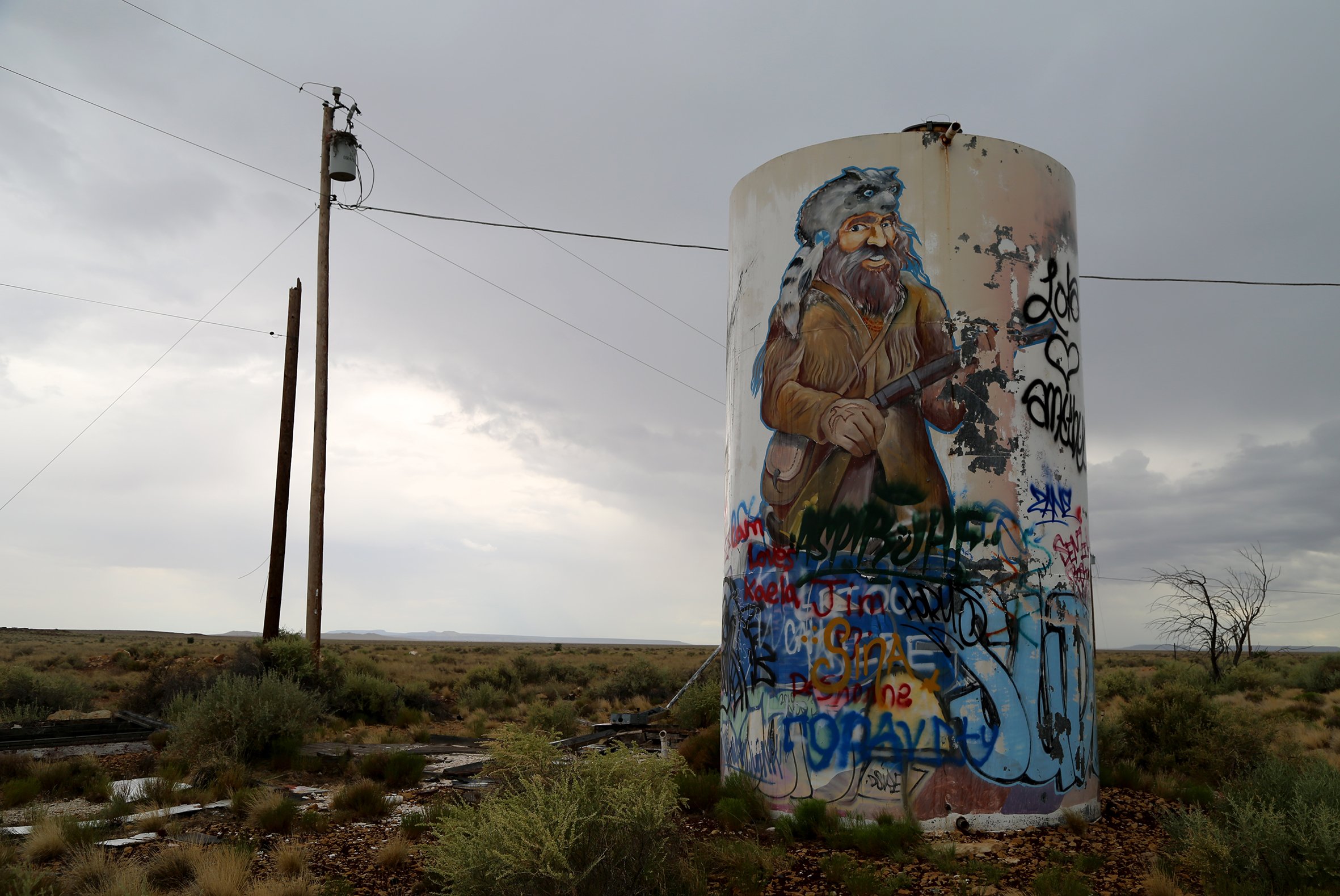
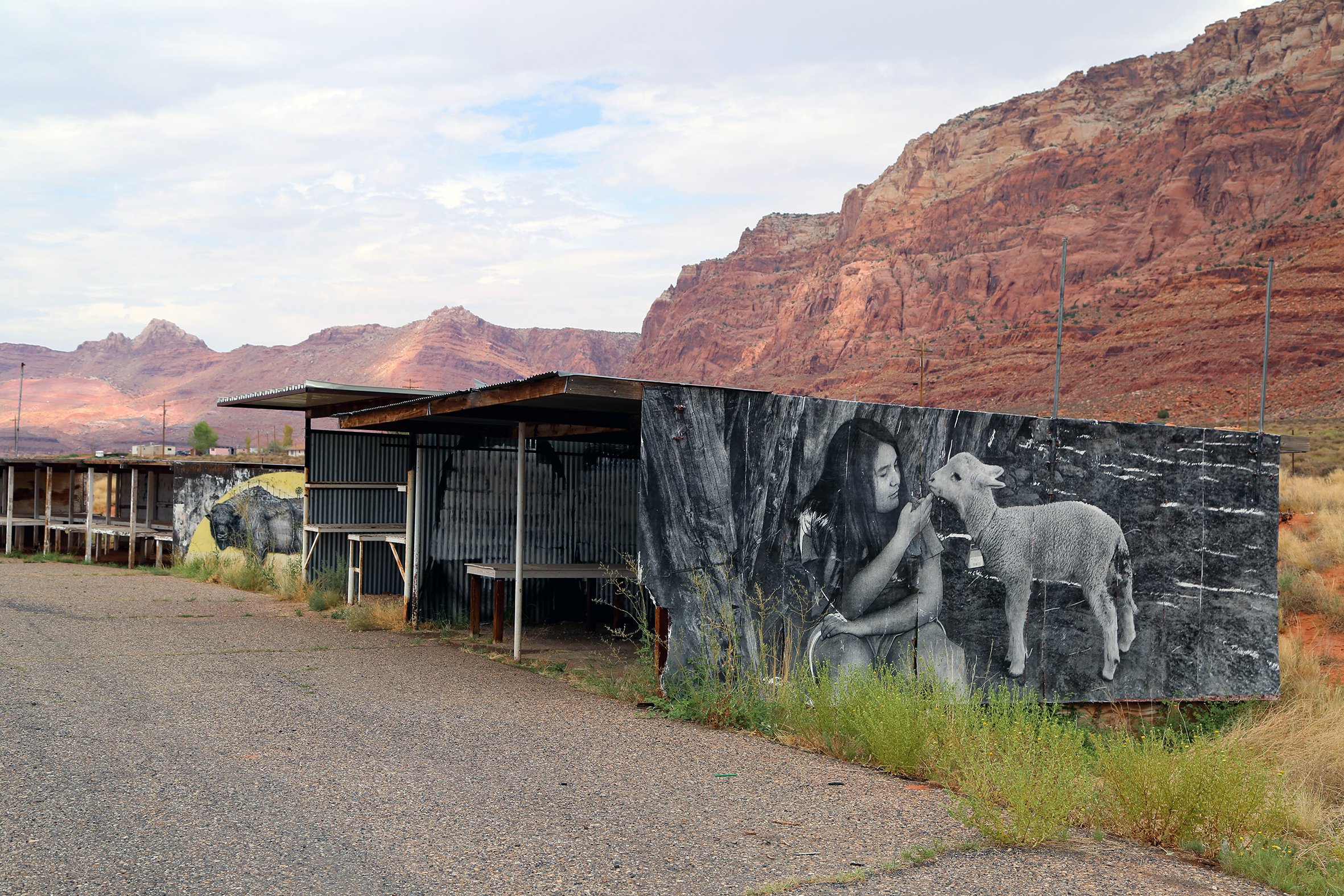
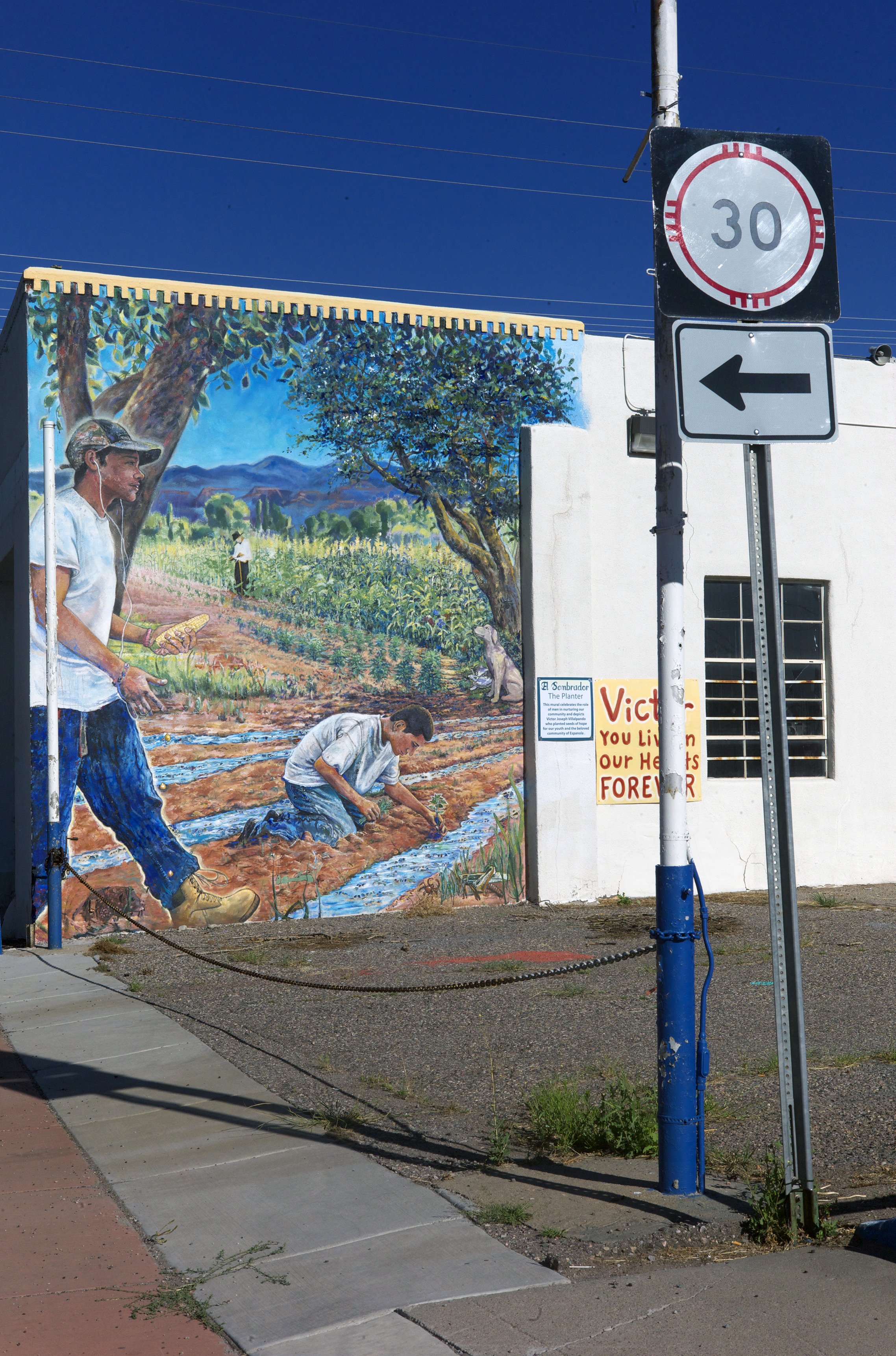
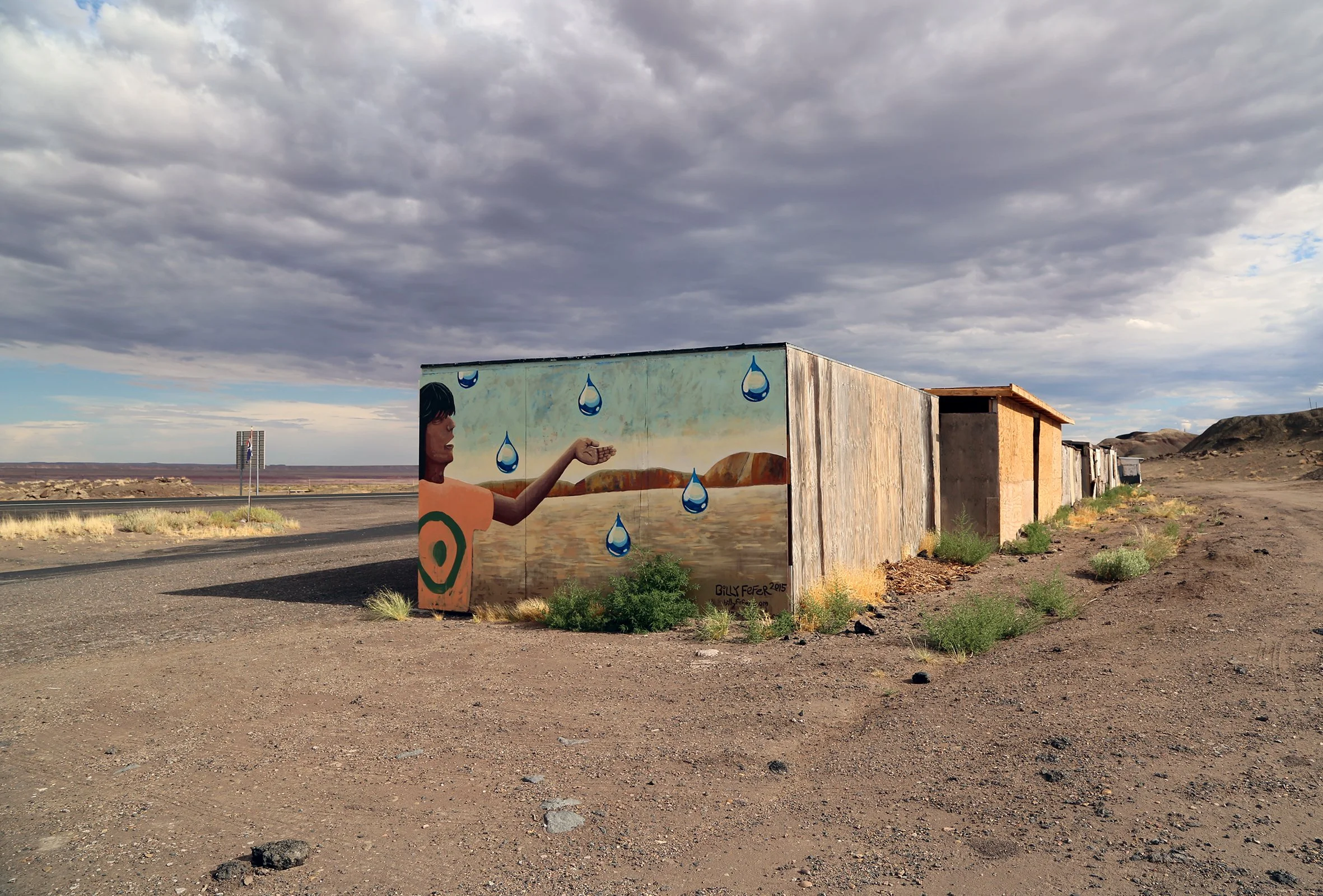
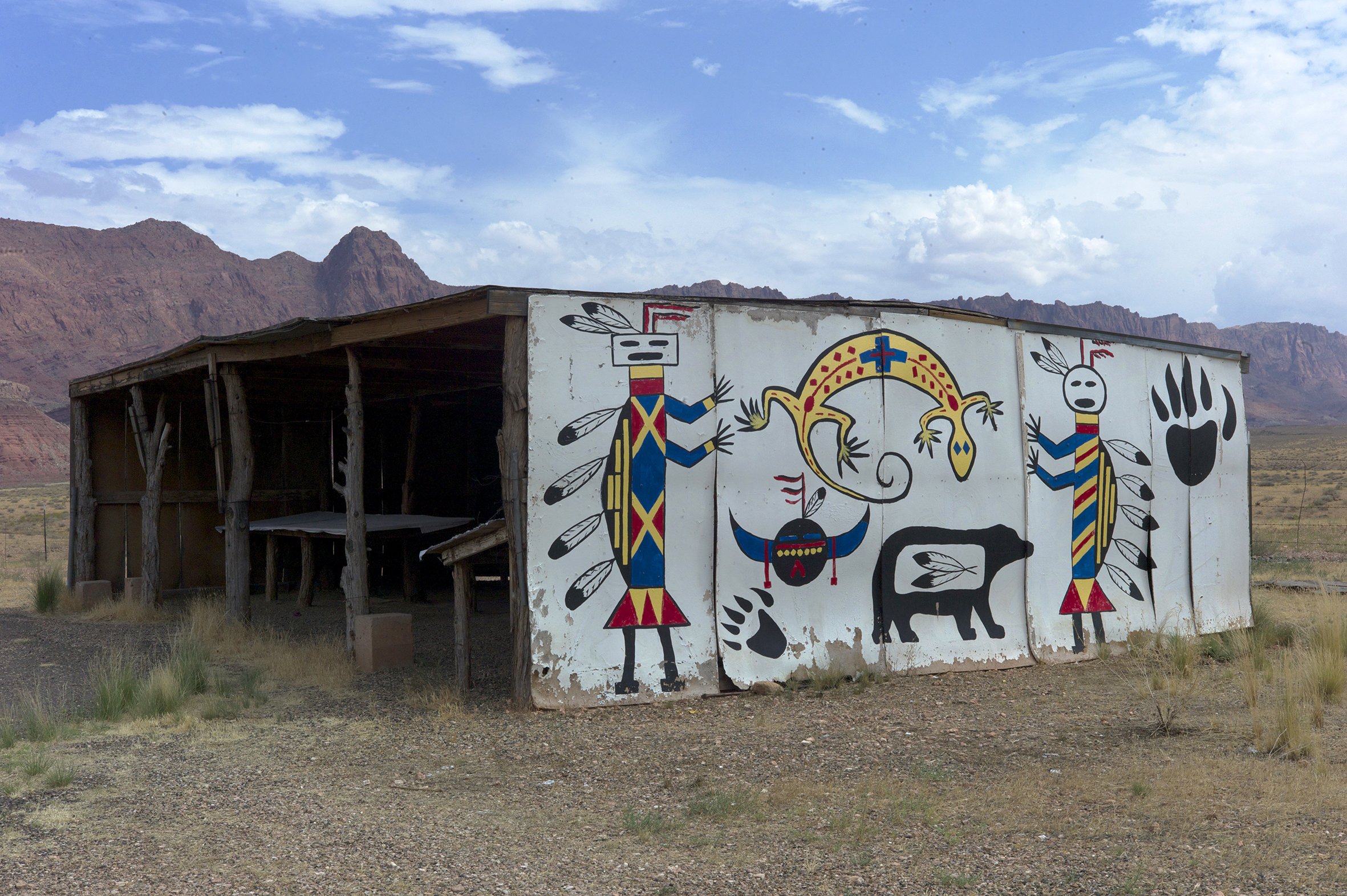
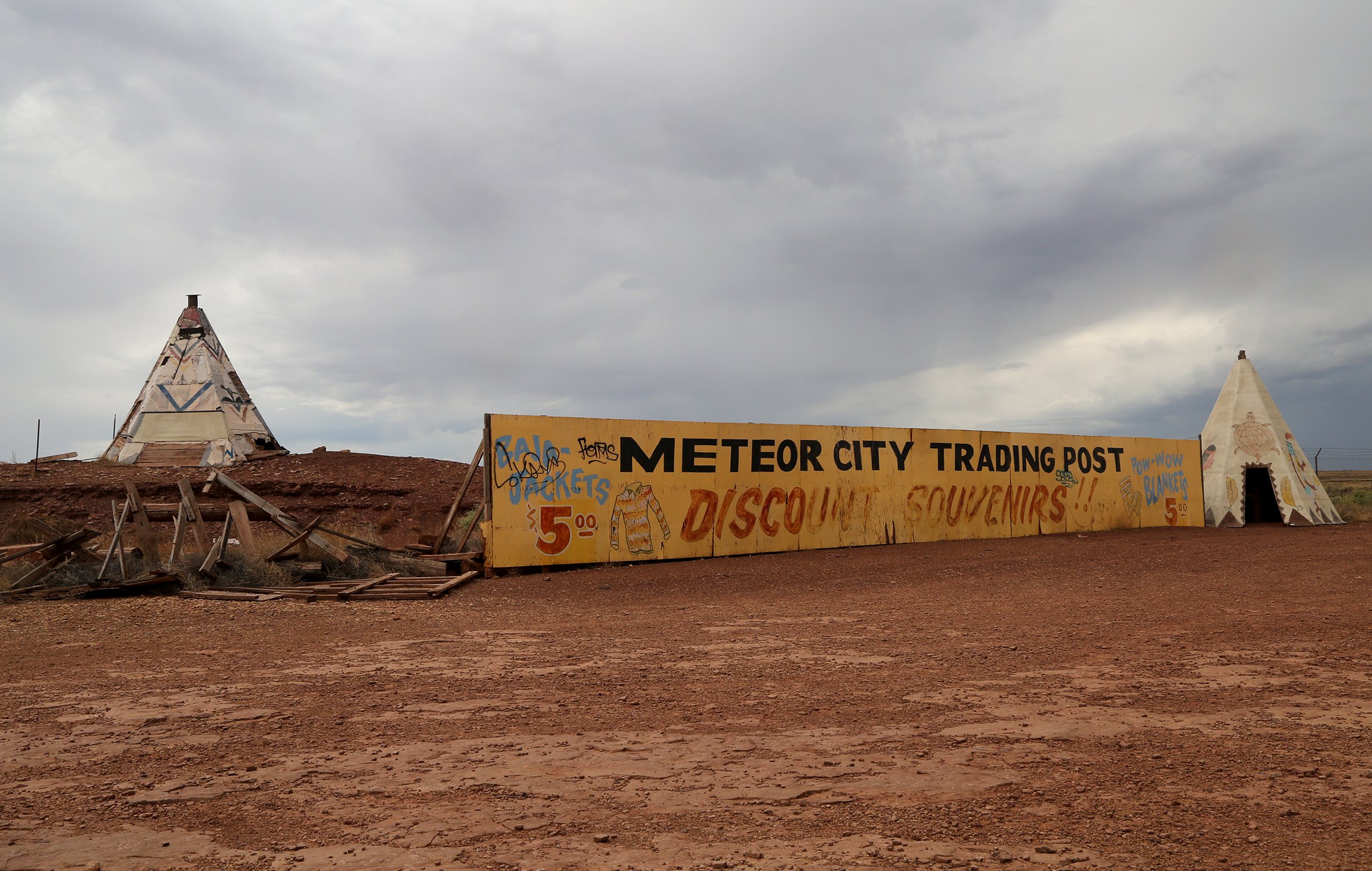
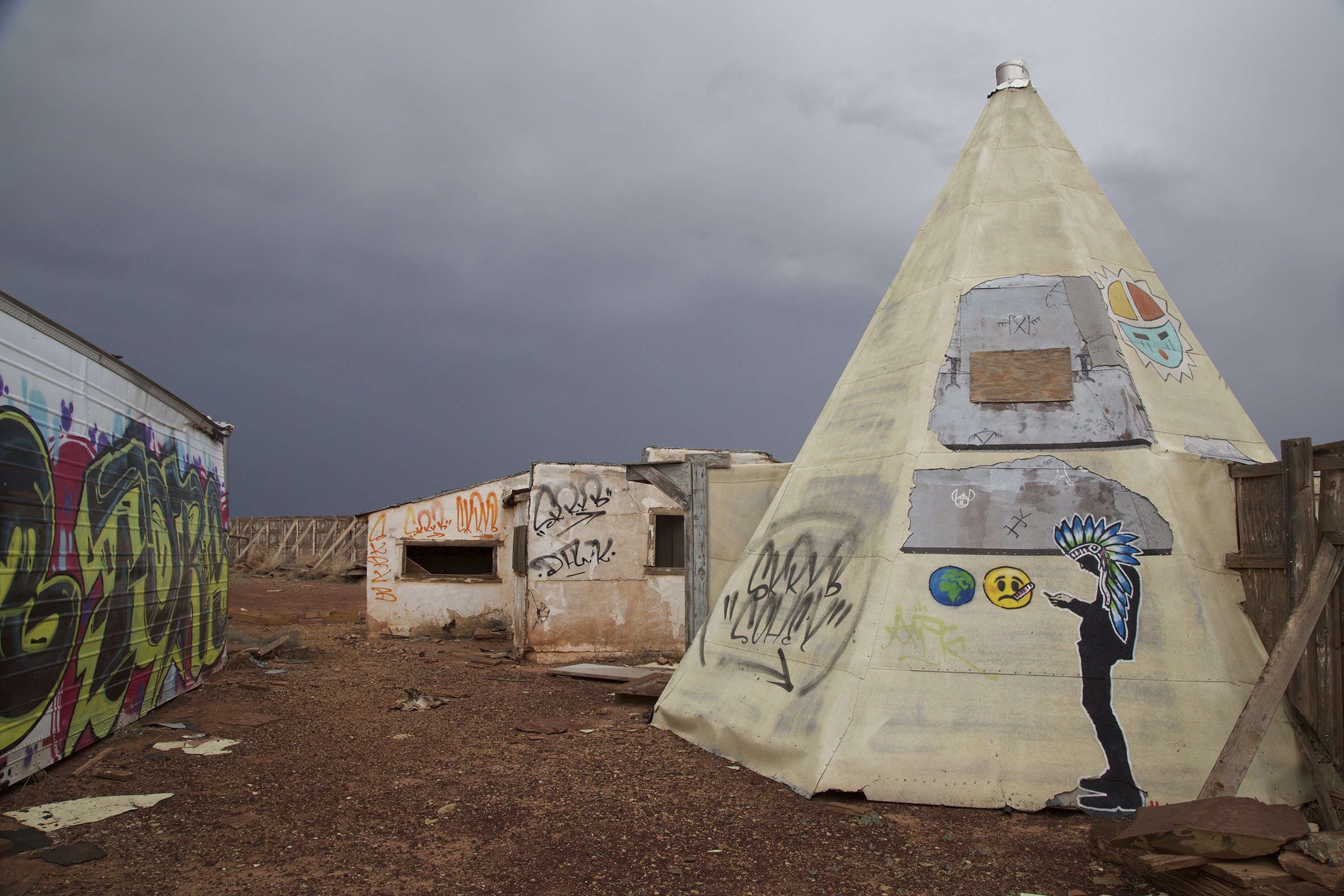
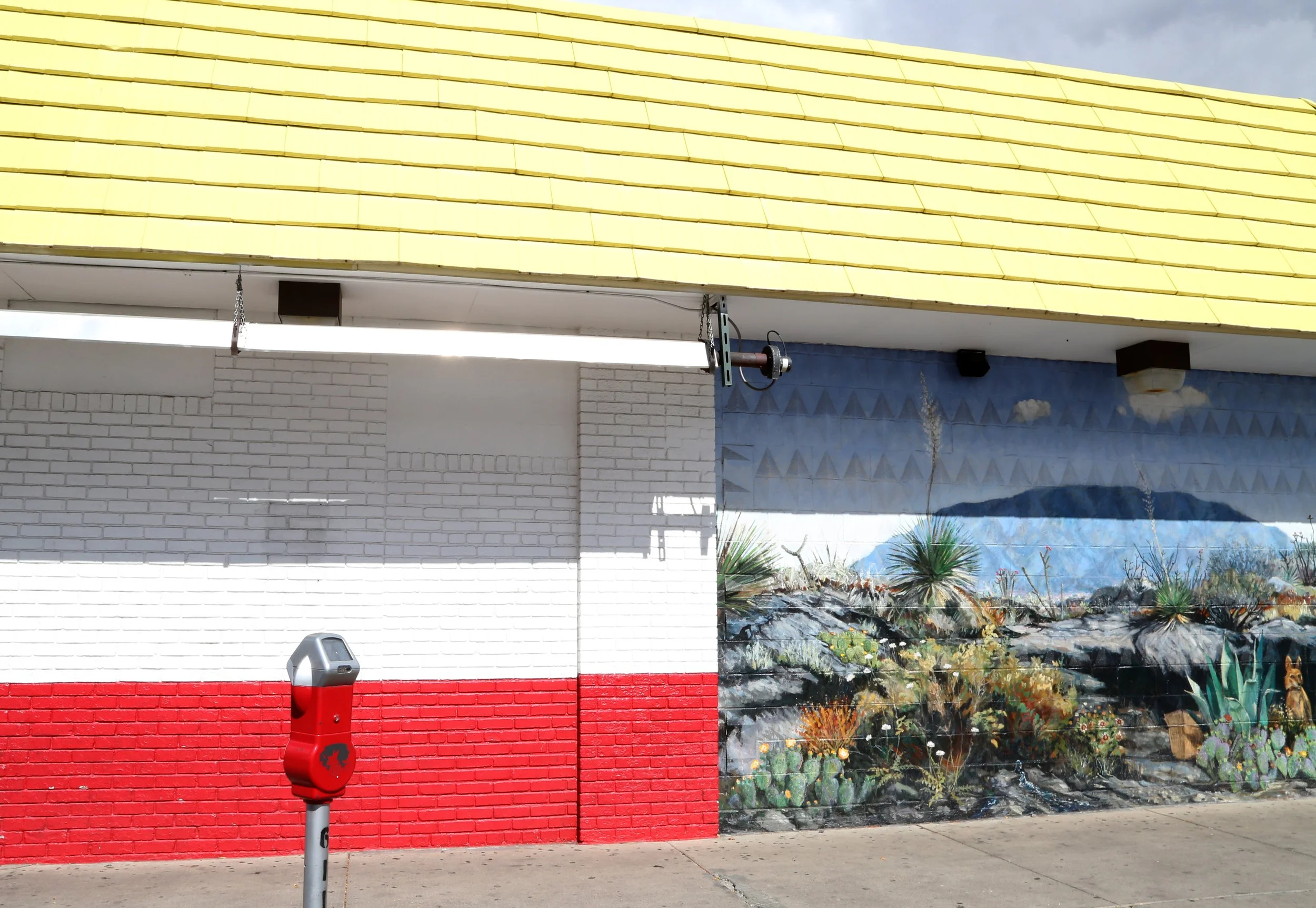
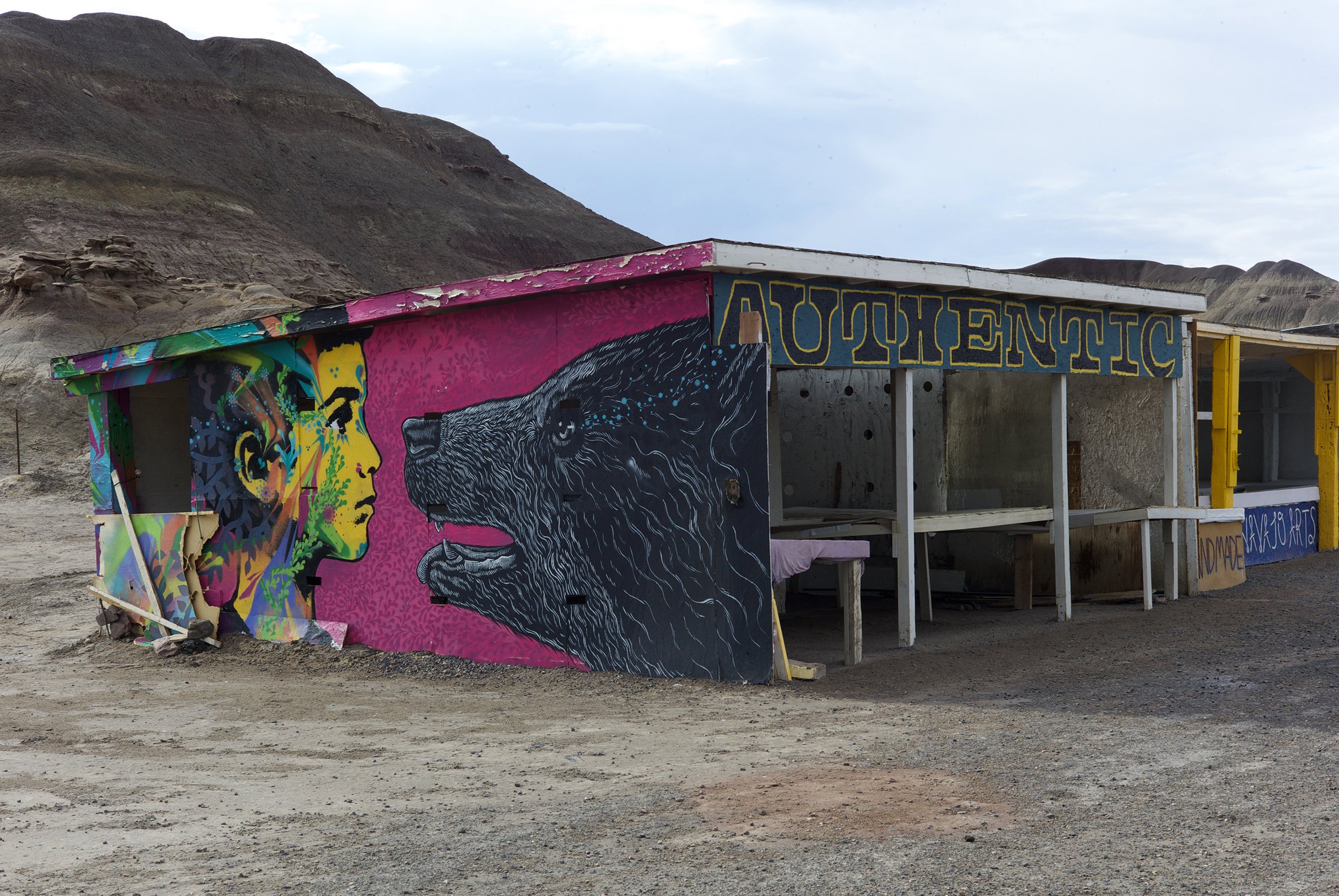
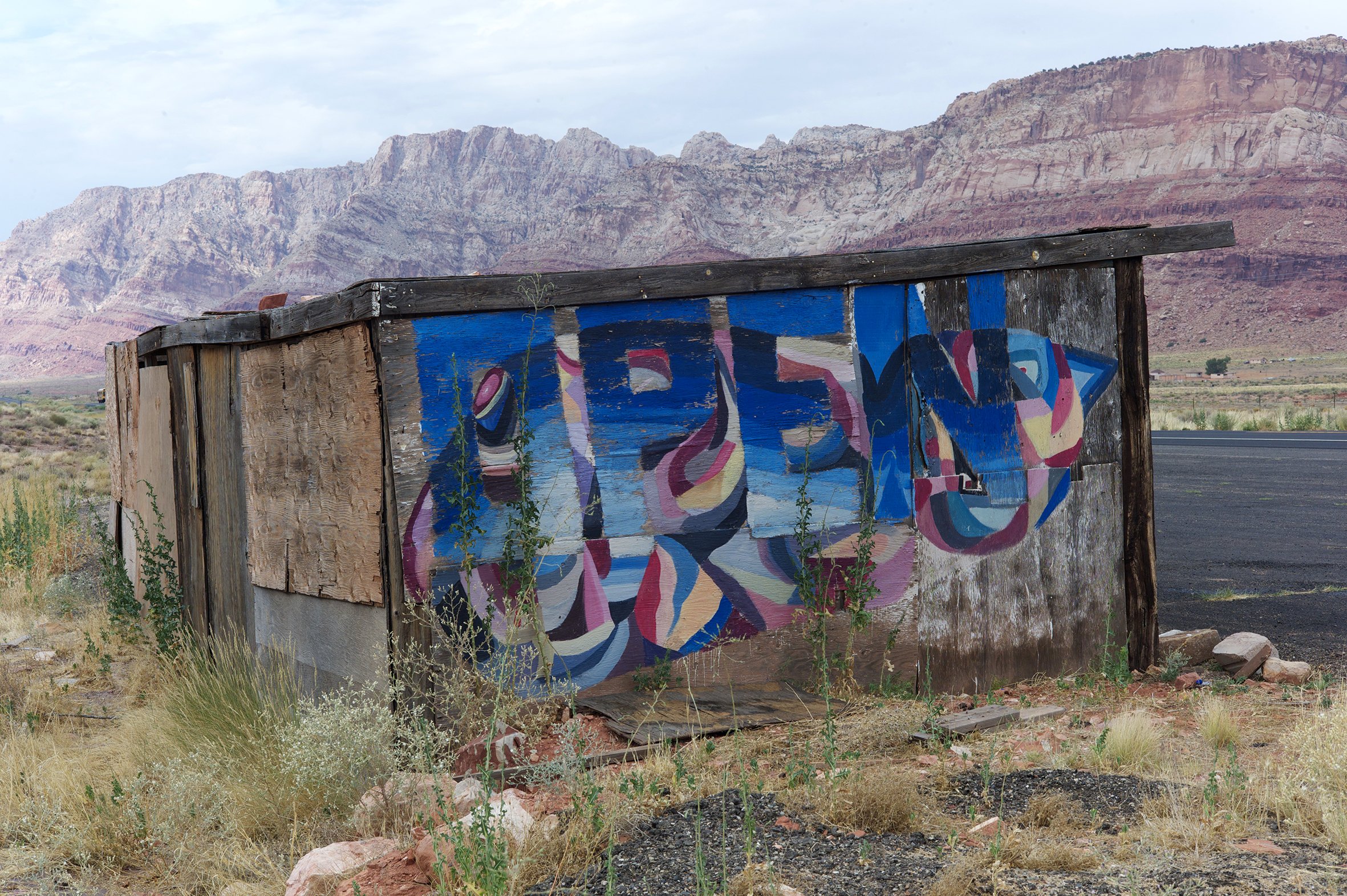
Documenting Jetsonorama’s Painted Desert Project: Reclaiming the Navajo Nation






Shelf Life
A curated exhibition featuring work by Ron Adams, Chris Bond, Samantha Edwards, Sarah Goffman, Prudence Murphy, Elvis Richardson for MOP Gallery Projects funded by the Australia Council.
The ‘shelf life’ of a product refers to the amount of time it can be stored before it spoils or becomes obsolete. Generally the ‘shelf’ in question is a retail space allotted for the display of consumer goods. Shelves, then, are temporal zones that see items coming and going according to highs and lows in consumer demand: when we want the product it gets restocked, when we don’t, it goes to waste. These ideas provide a rich source of meaning for artists when the conventions of use and display, as it relates to art practice, are considered. As mnemonic devices, objects shelved are meaningful only because they’re attached to memories that risk being eventually forgotten. And forgotten is what often happens to objects filed away, shelved out of sight. As an exhibition, Shelf Life showcases eleven artists whose work engages with the lives of shelves, the shelves of life, life on the shelf, shelf life.
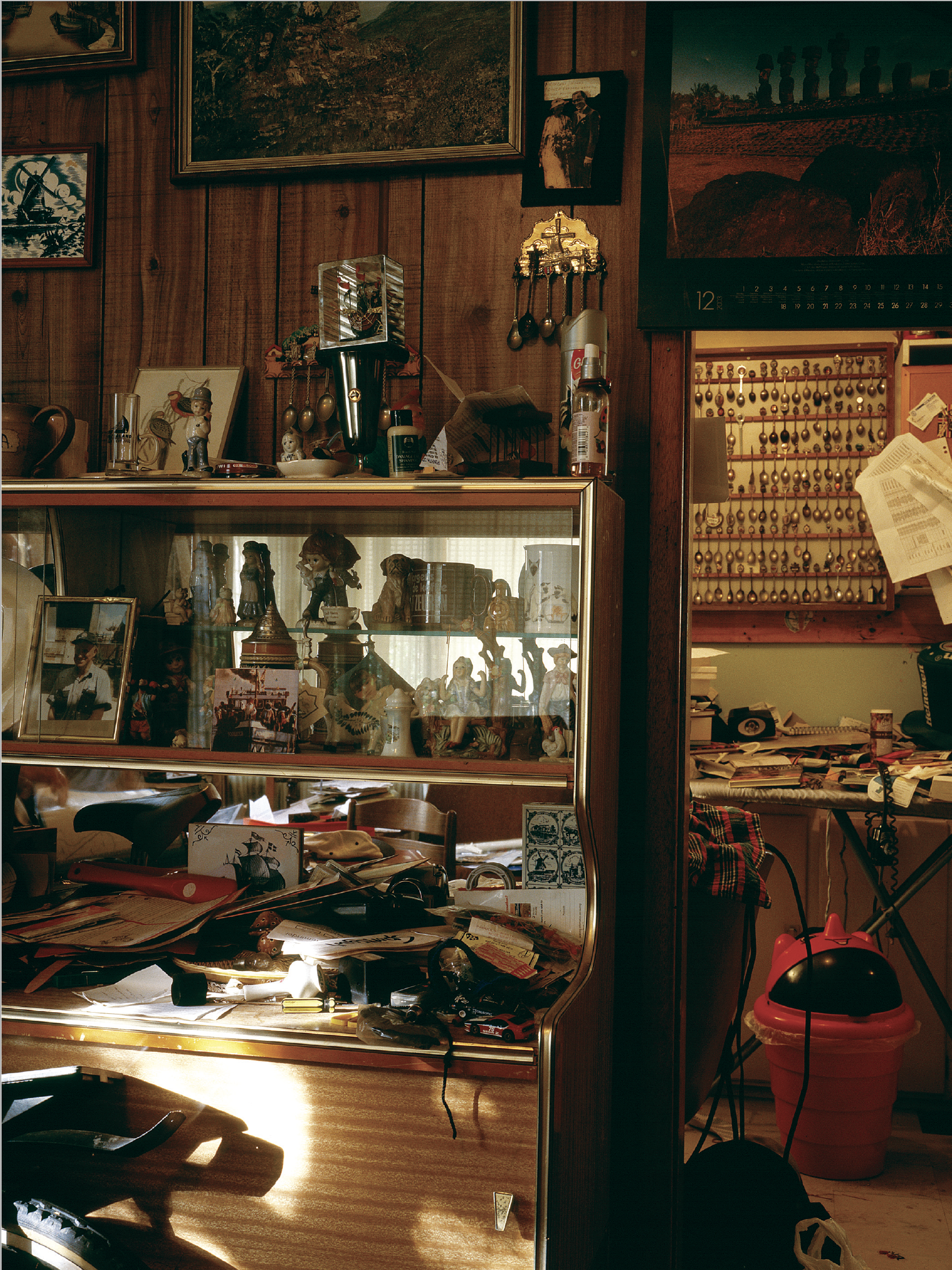
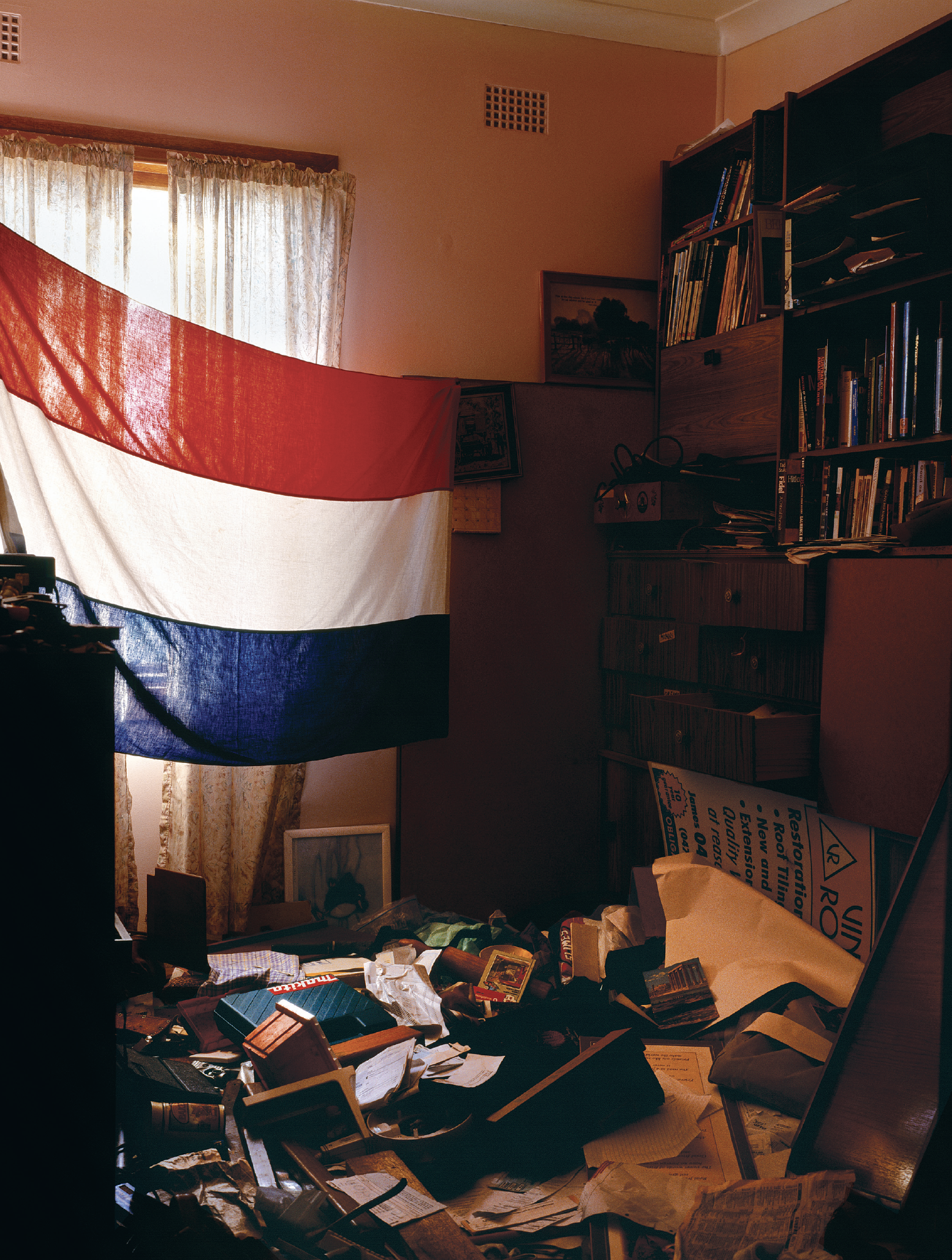
Samantha Edwards takes up biographical themes in 9 Cudgee Road. Documenting the cluttered and precious domestic interiors of her father in law, Edwards’ intimate photographs speak to narratives of loss, loneliness, isolation and material memories that stem from a life (seemingly) left on the shelf.


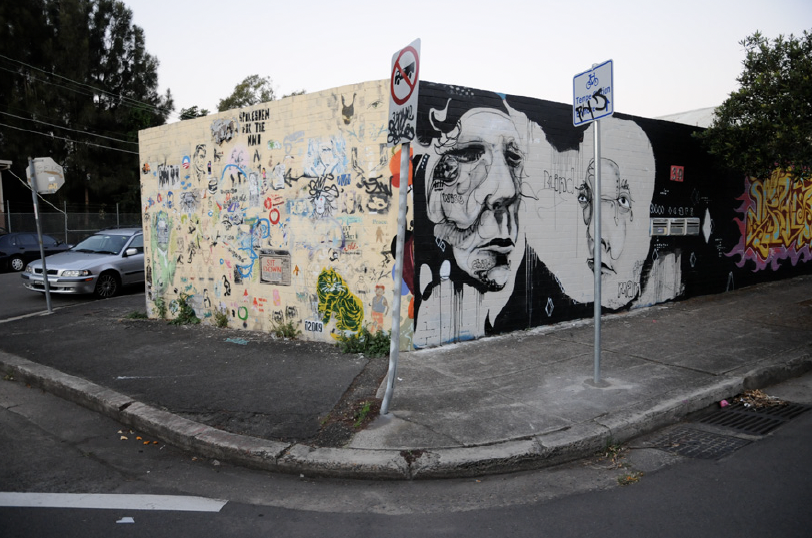
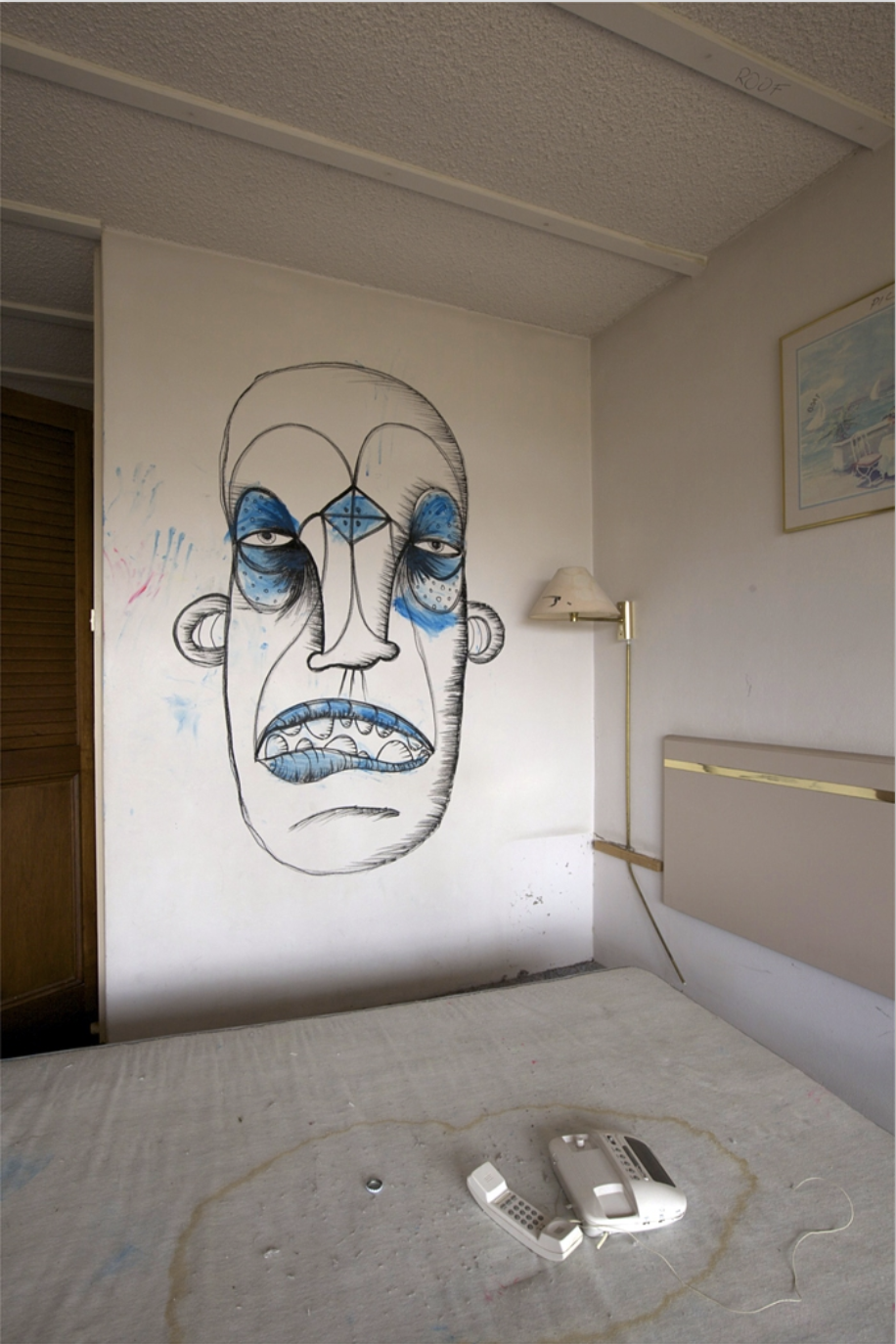
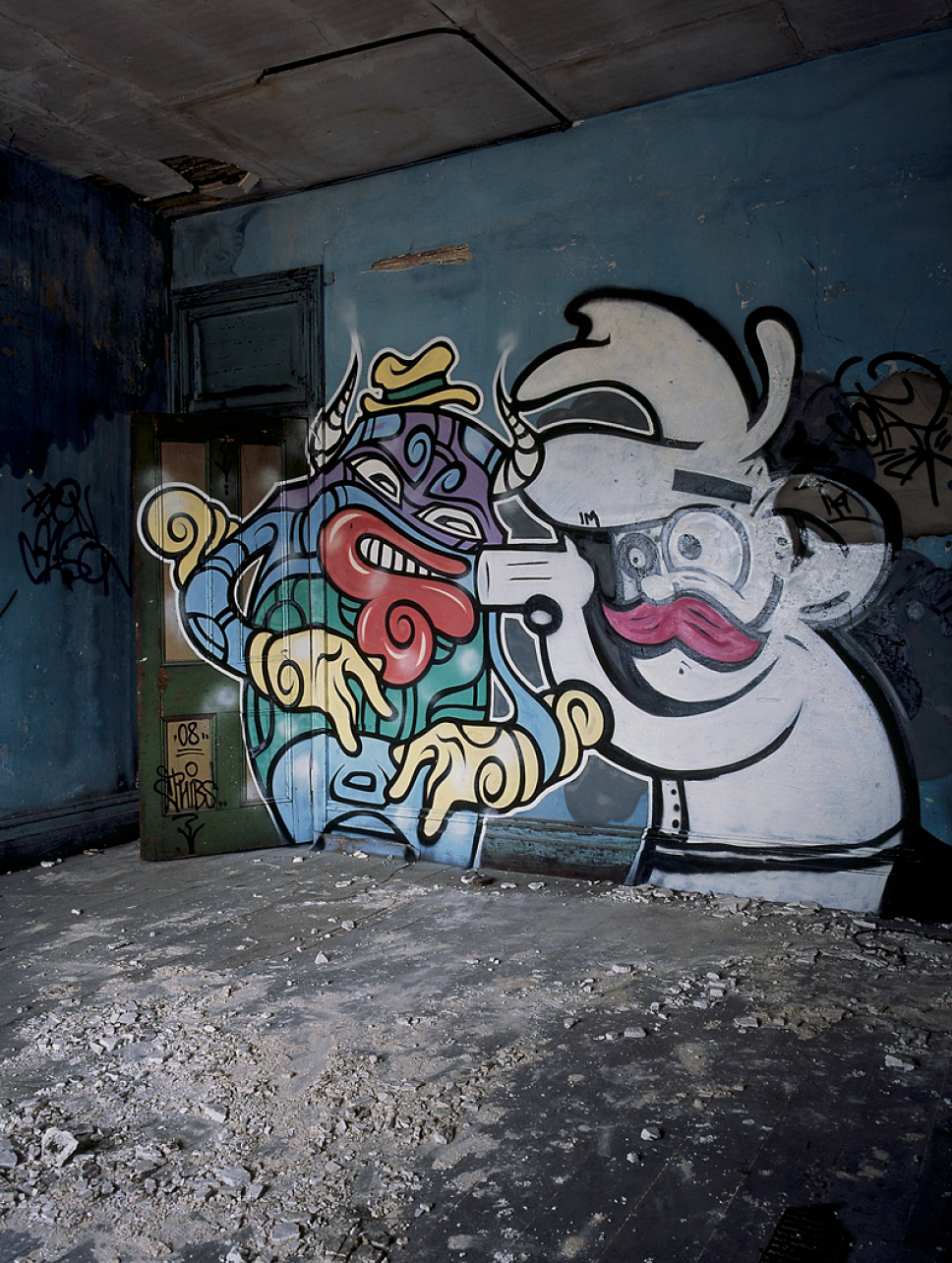
Graffiti Archaeography: The poetics of engagement in Sydney’s inner suburbs
Marrickville Council, Solerno Gallery and University of Western Sydney
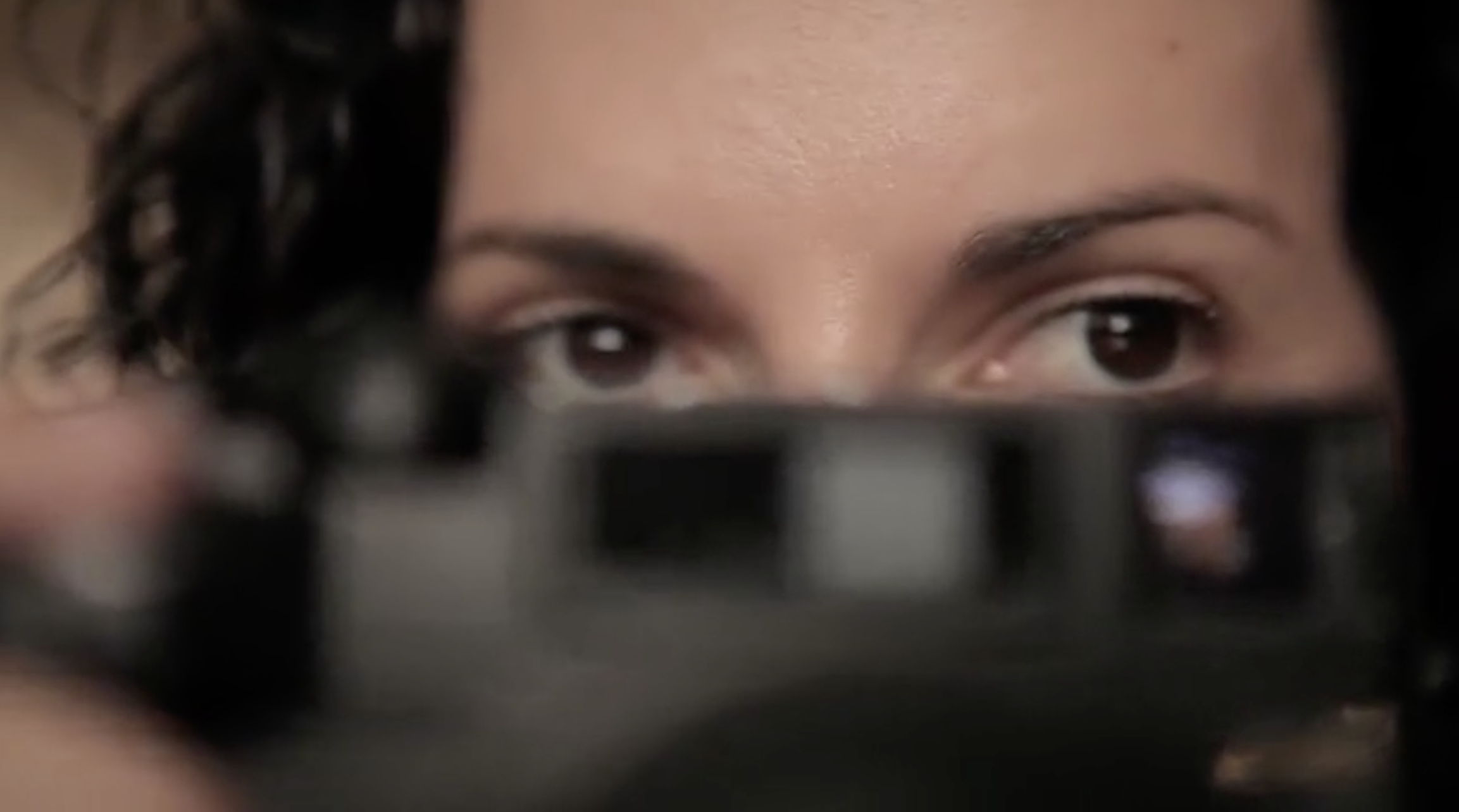
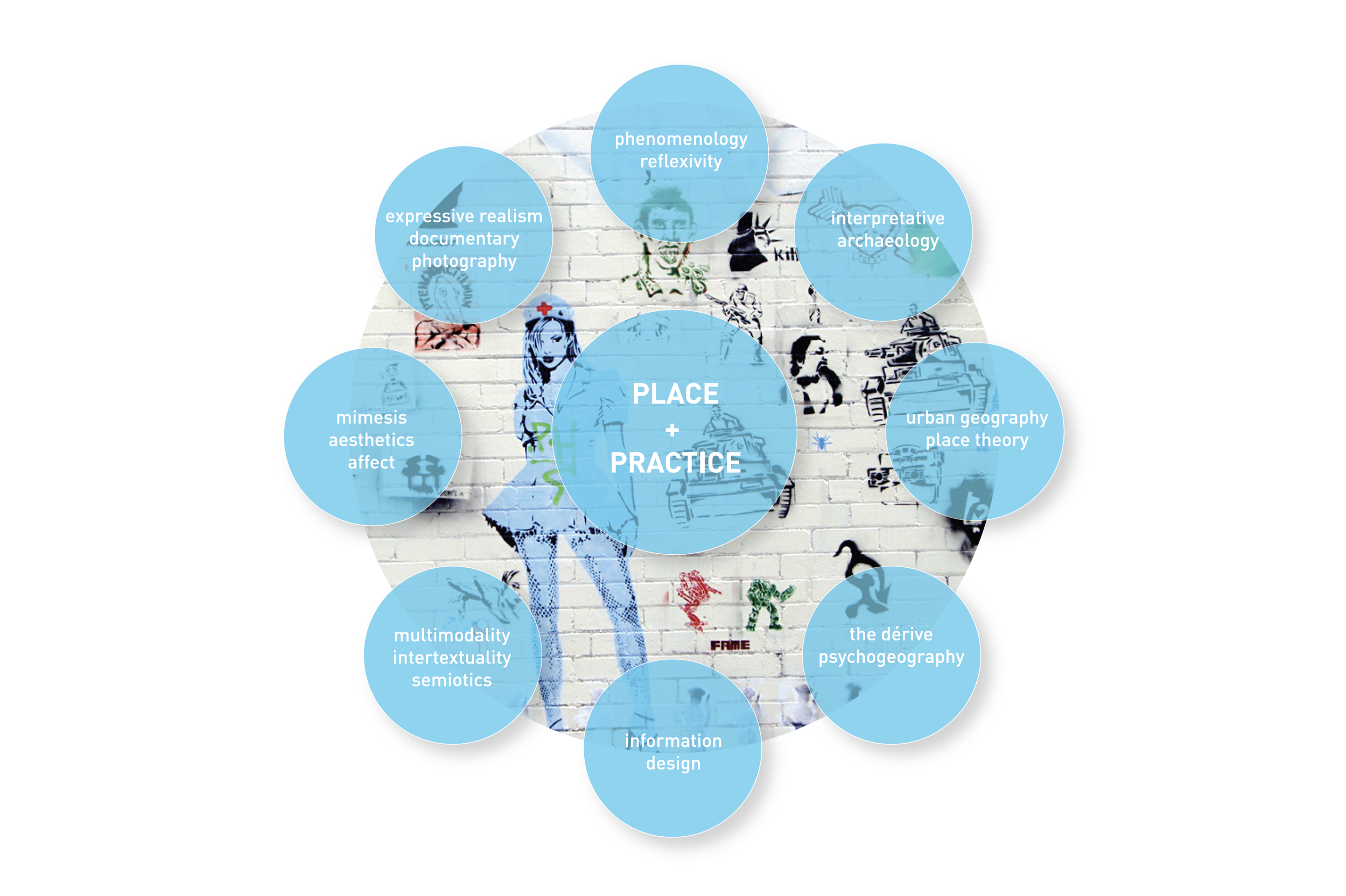
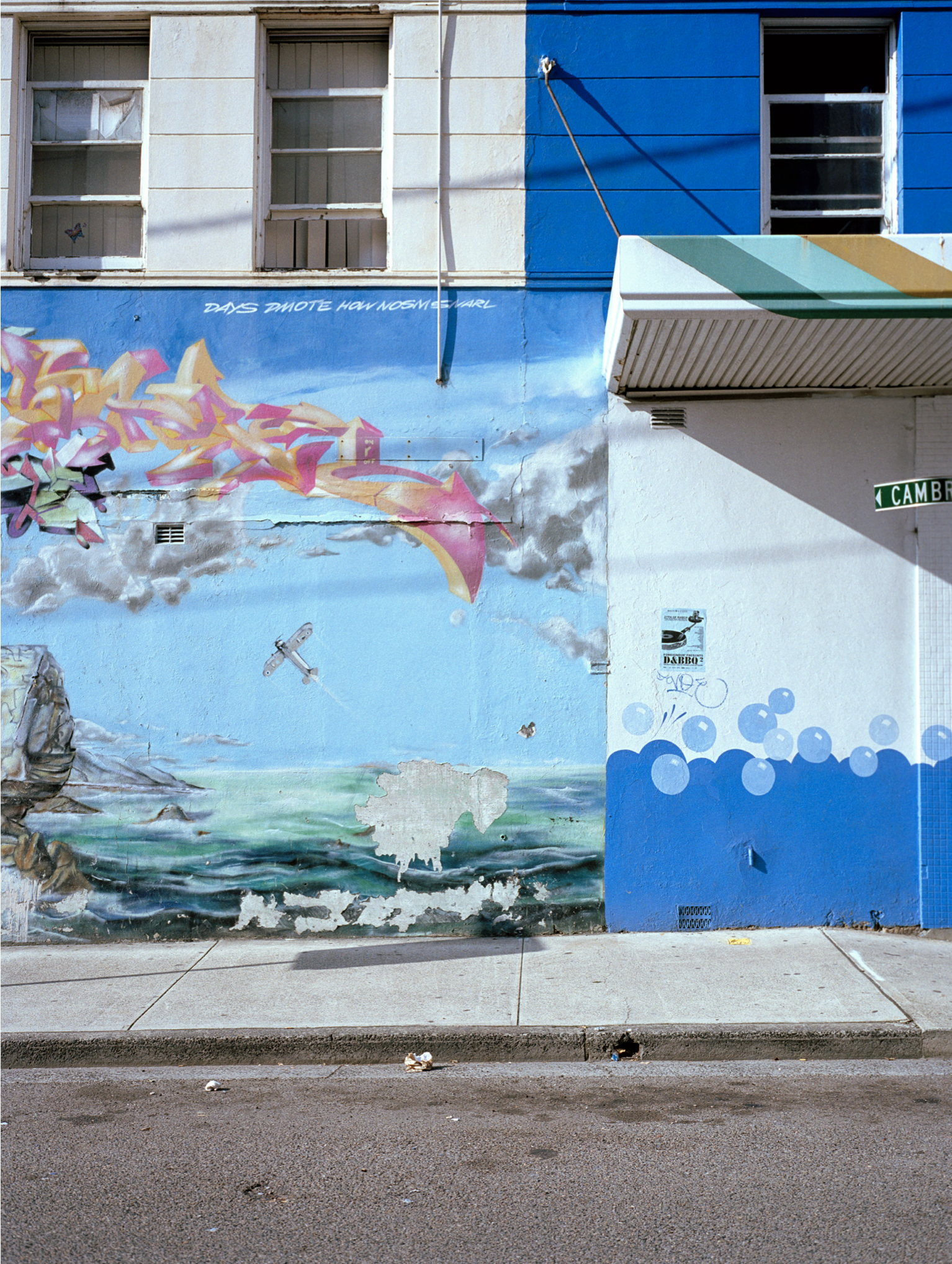
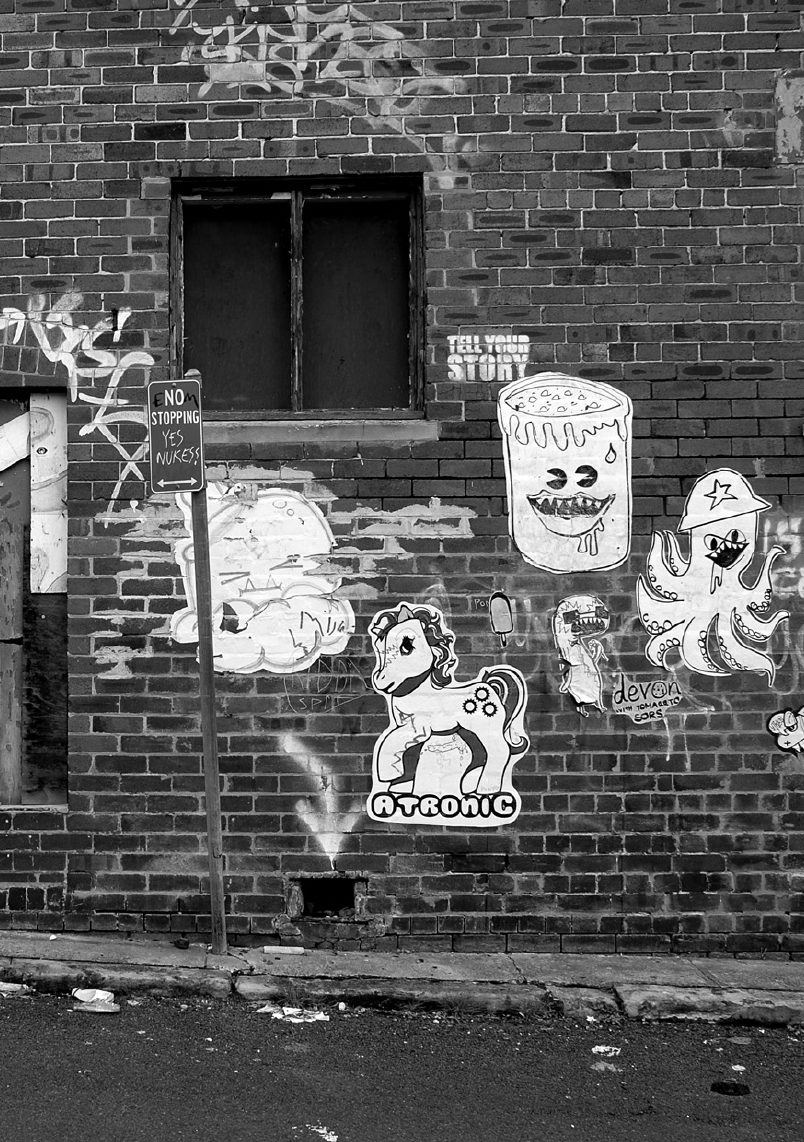
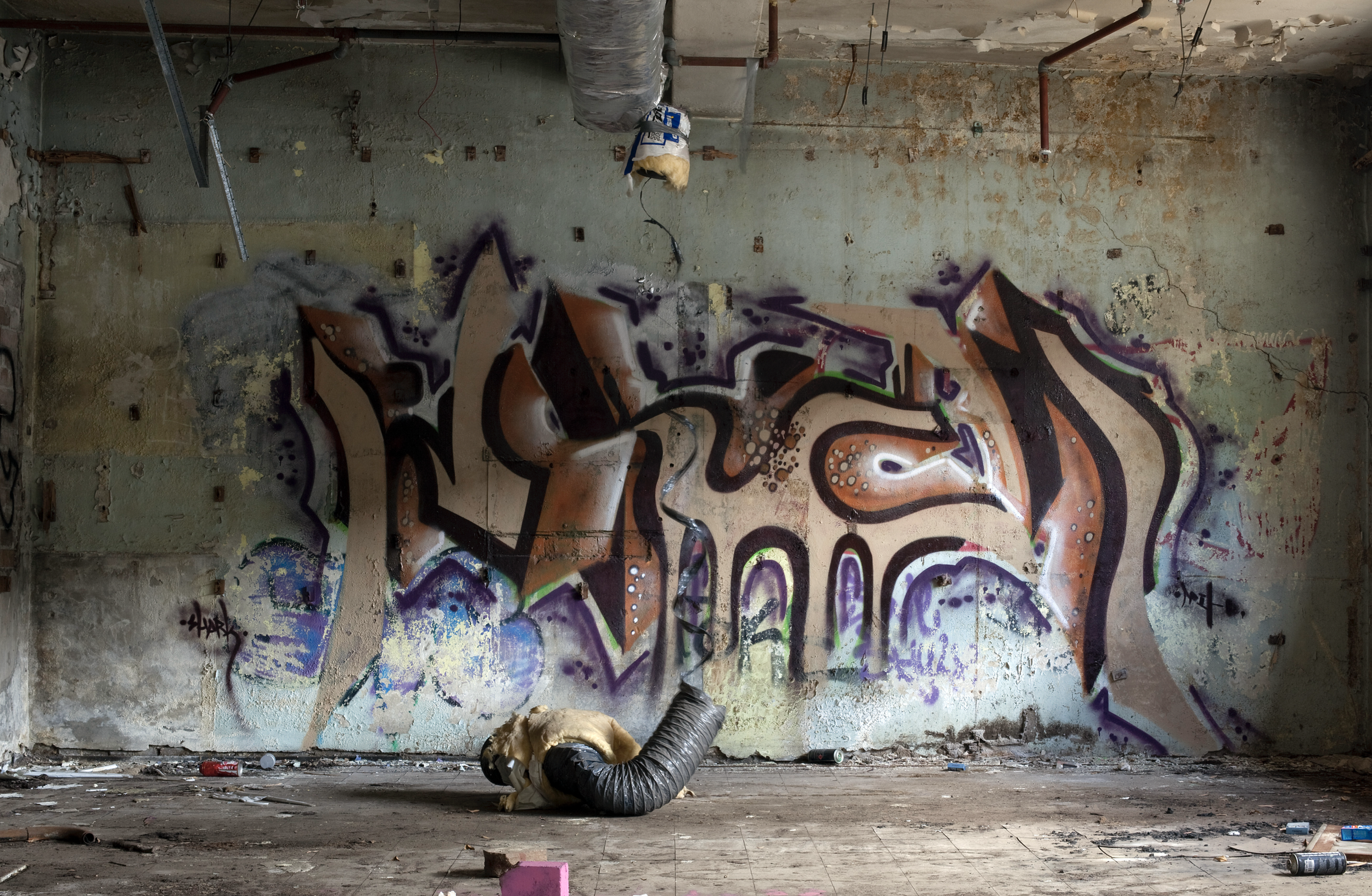
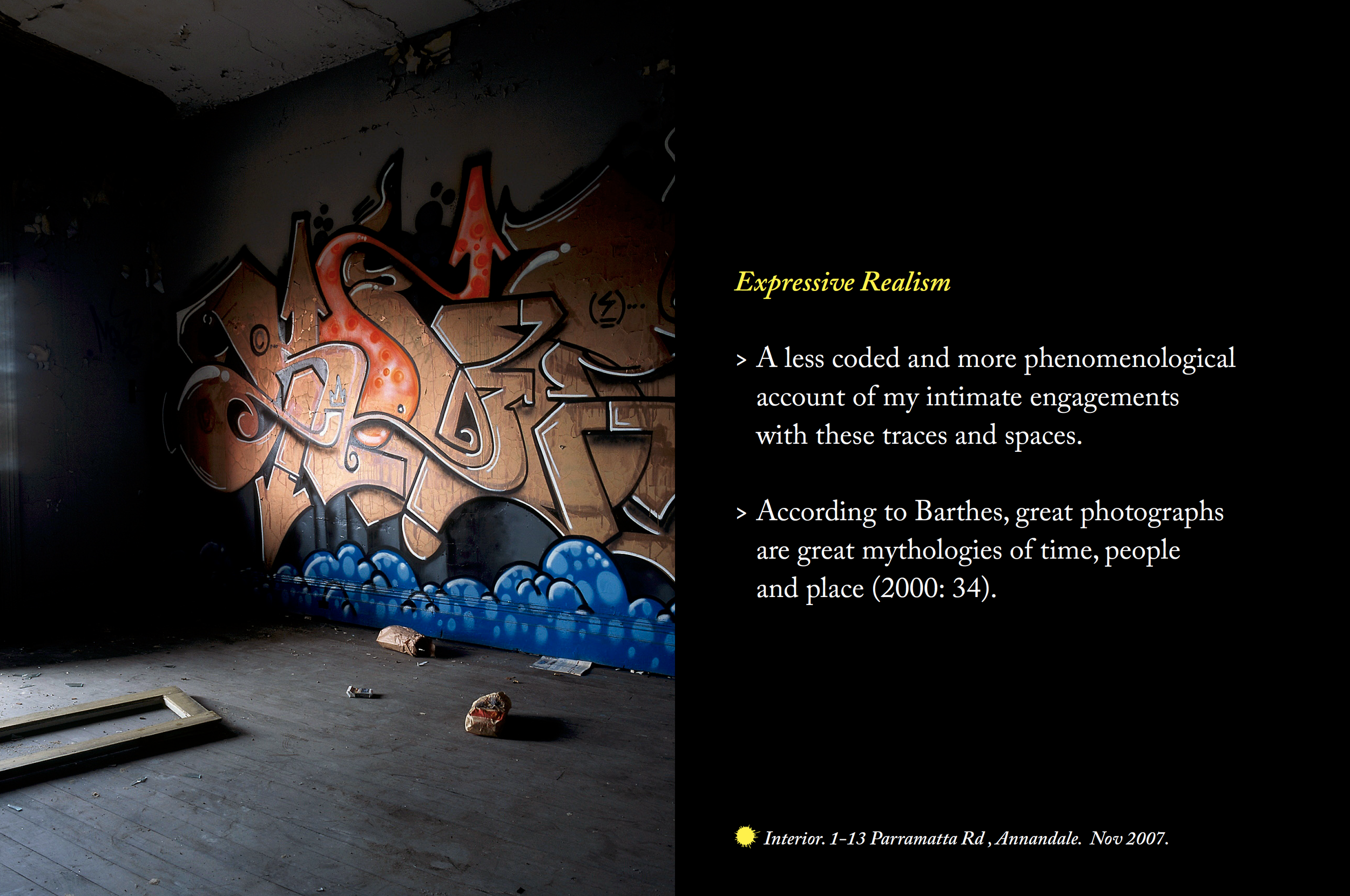
My doctoral research (completed in 2012) presents a photo-archaeological narrative that intervenes with the material traces of street art and graffiti production to reveal how it has shaped and transformed place in Sydney's inner suburbs (inside, outside and underground) over a decade. At times, the construction of this multimodal narrative has felt like a dérive of sorts, a playful and revealing negotiation of the poetics of my own engagements in these counter geographies of place, at times confusing and disorientating, but also life-affirming and transformative. Photographic works, digital archive and an immersive sound and video installation were exhibited at Salerno Gallery in Glebe, NSW and Marrickville Council.





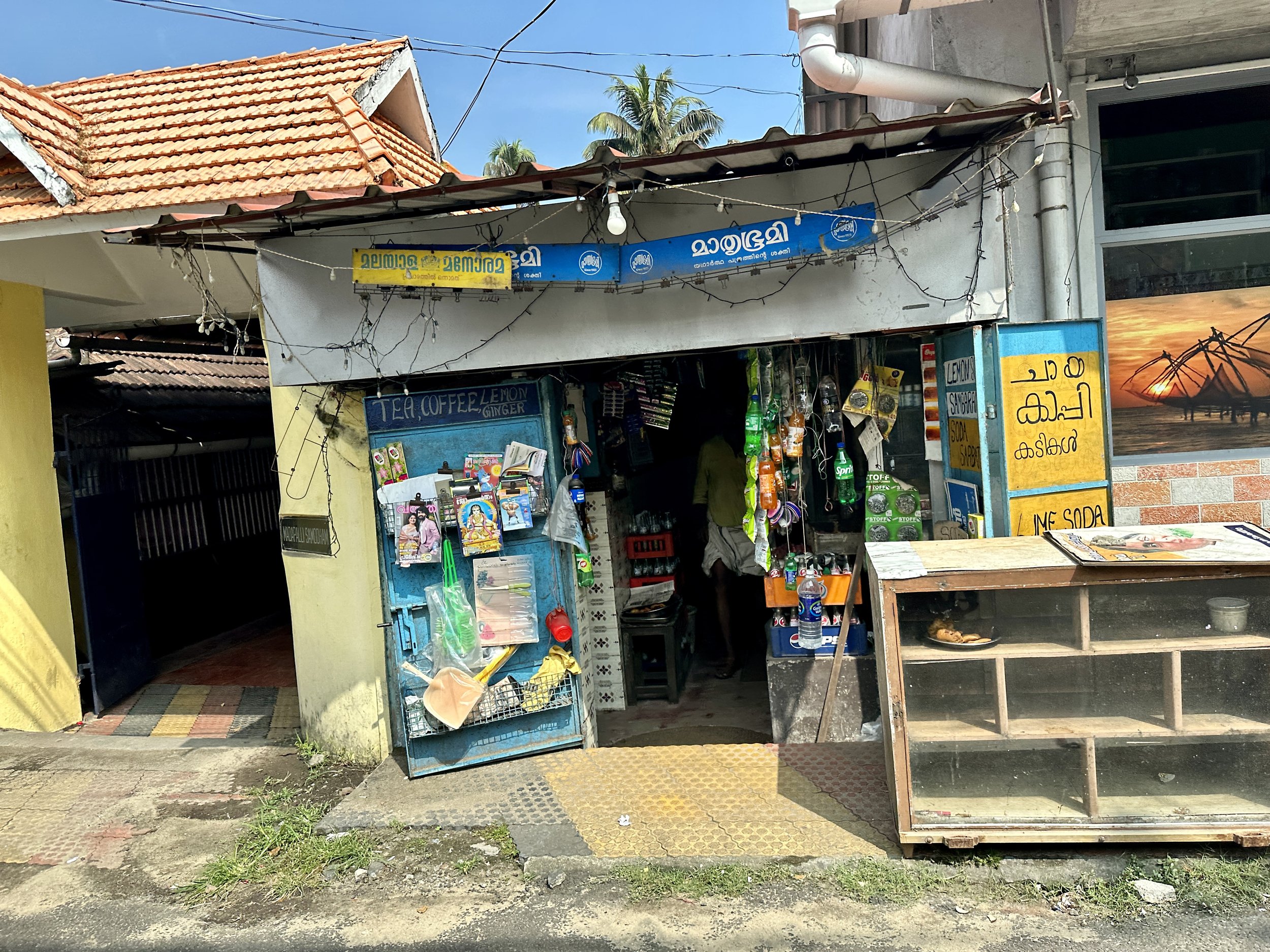
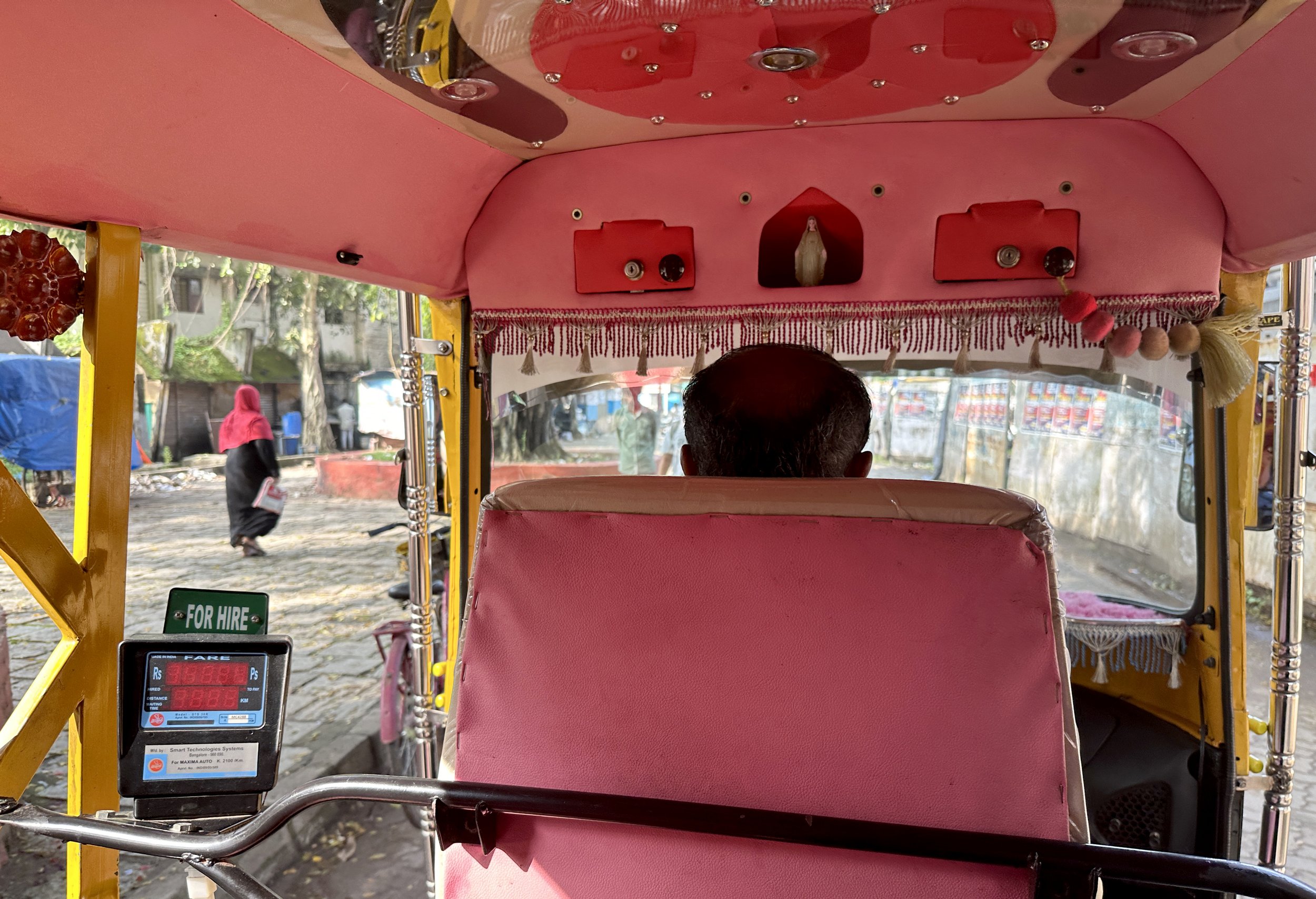
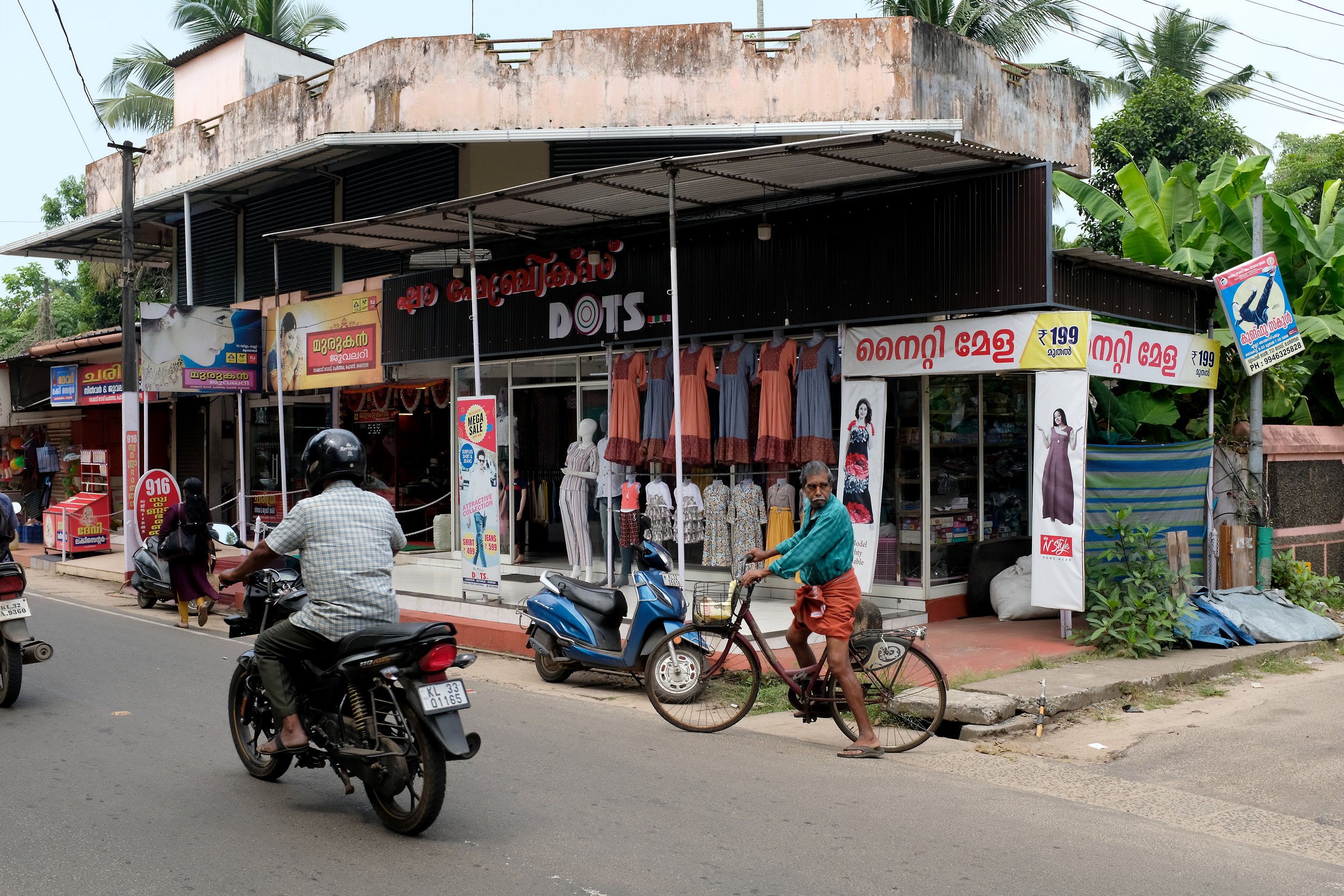
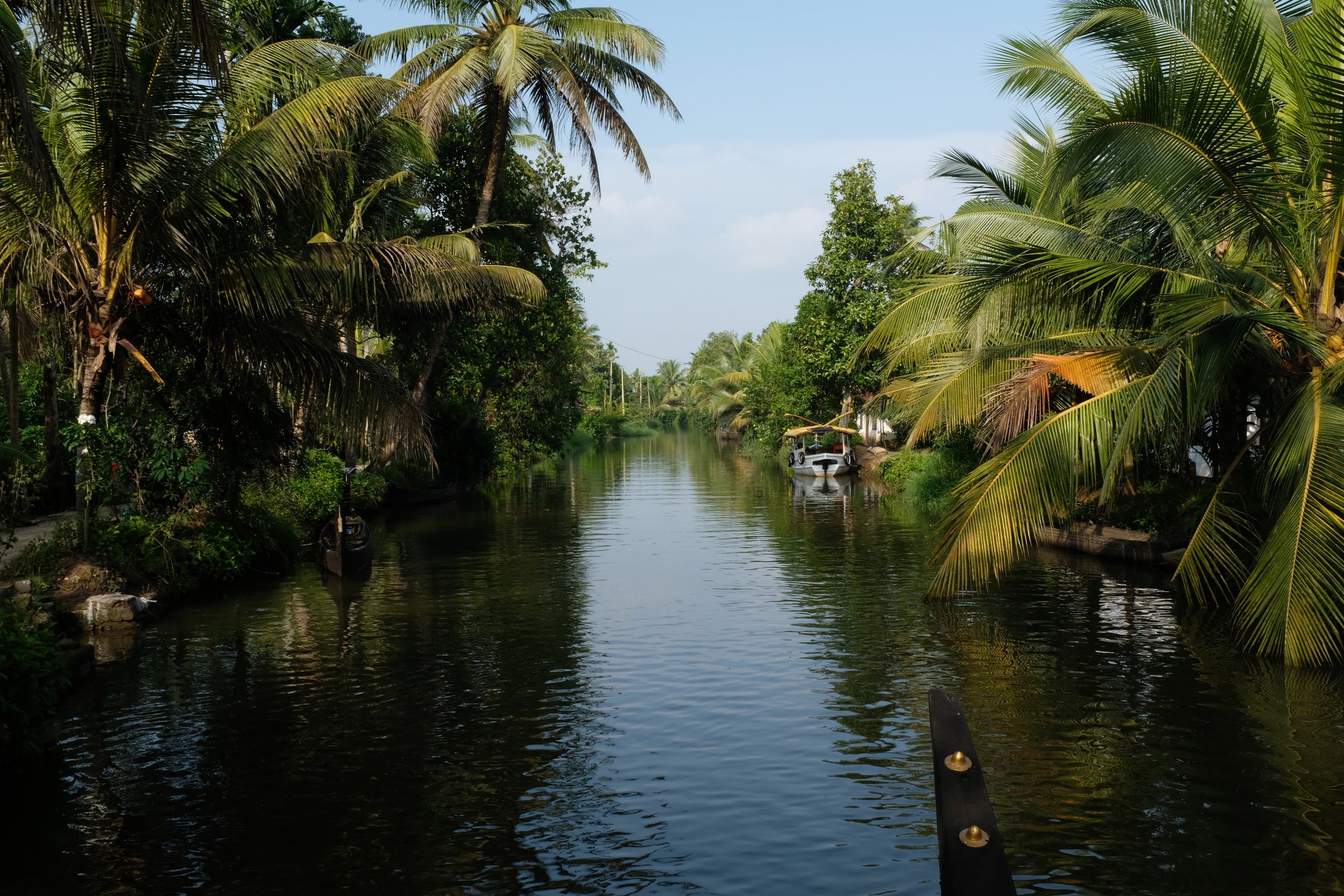
Travels in India
(Kochi, Kerala & Munnar)